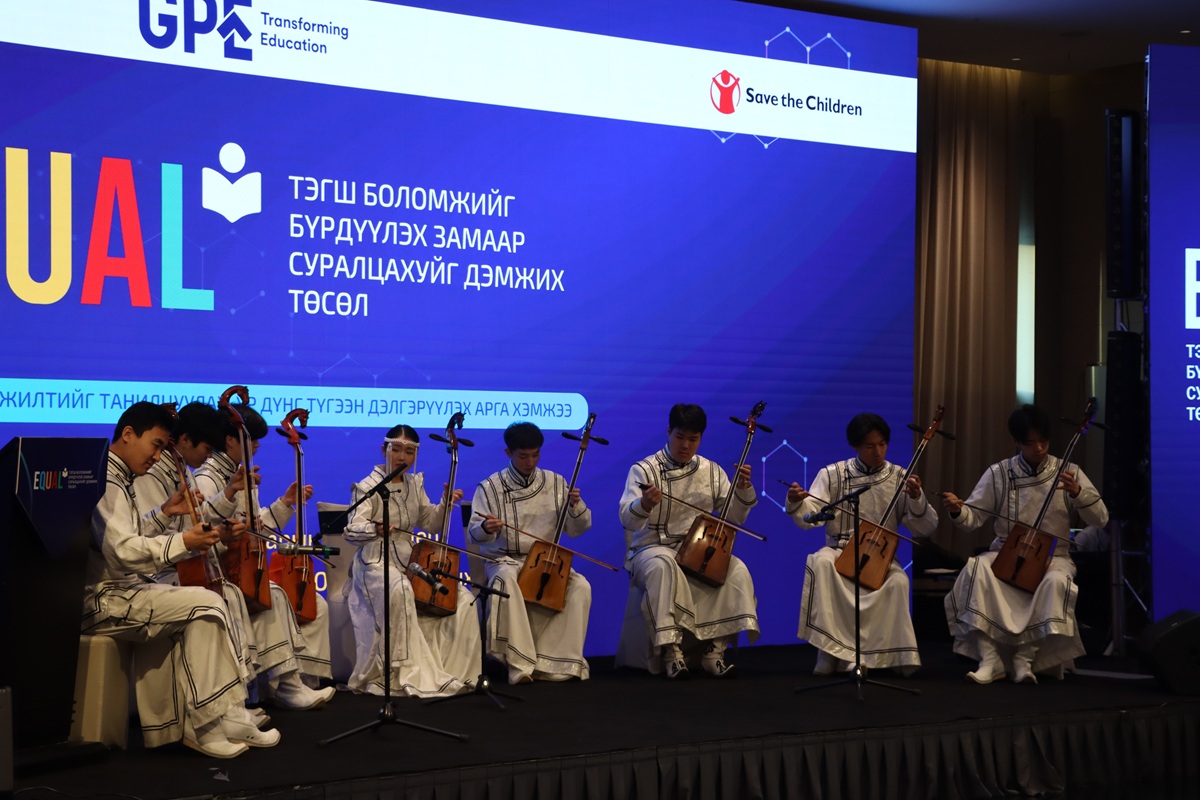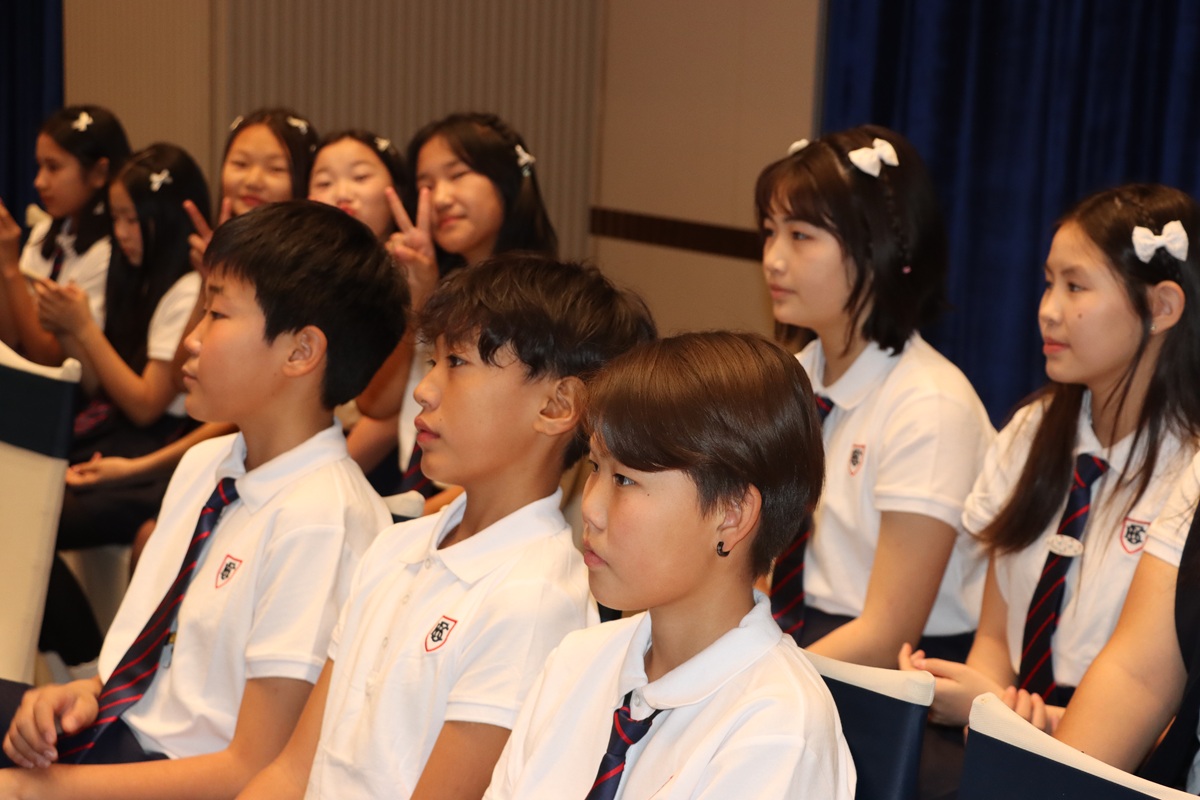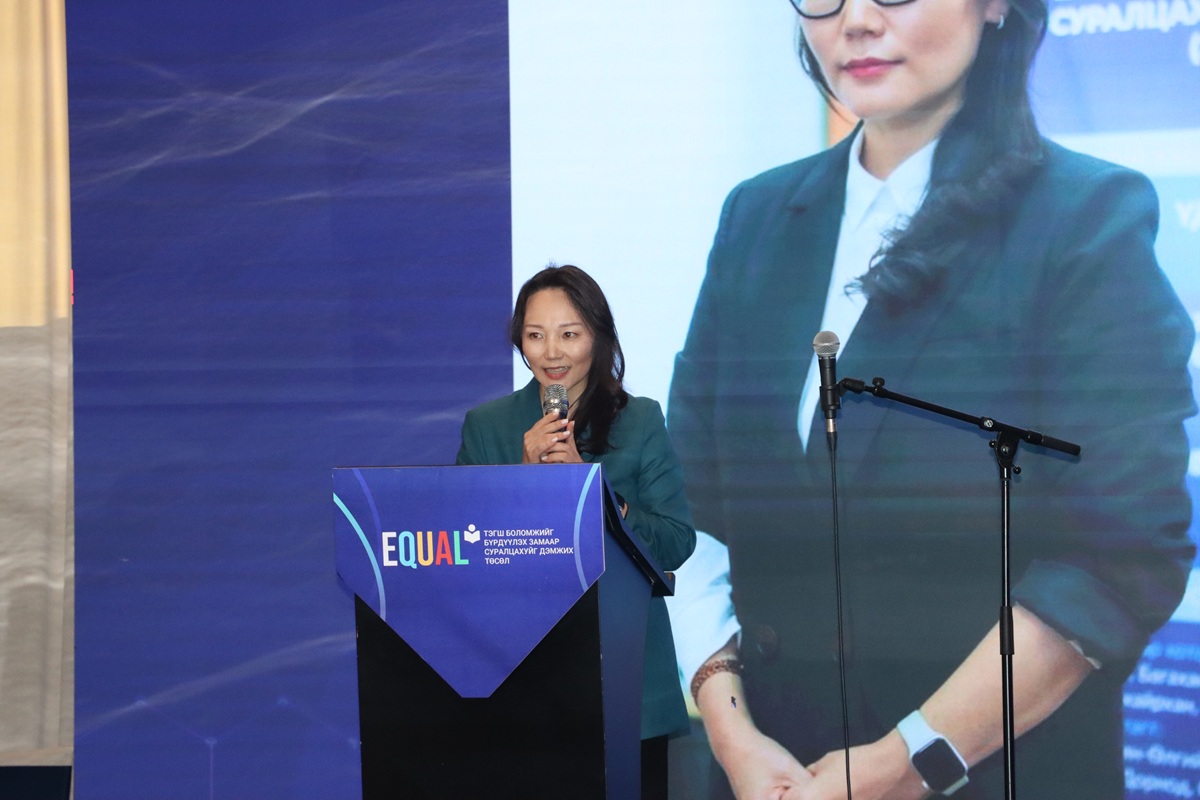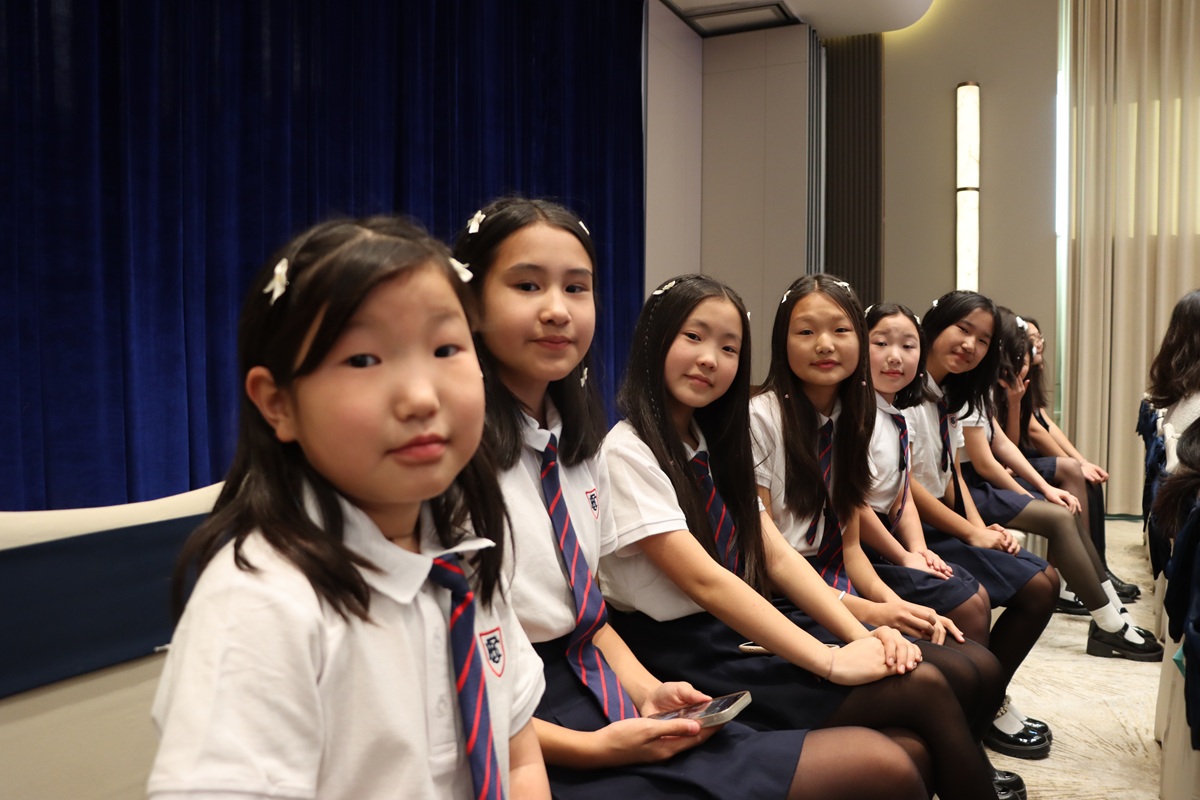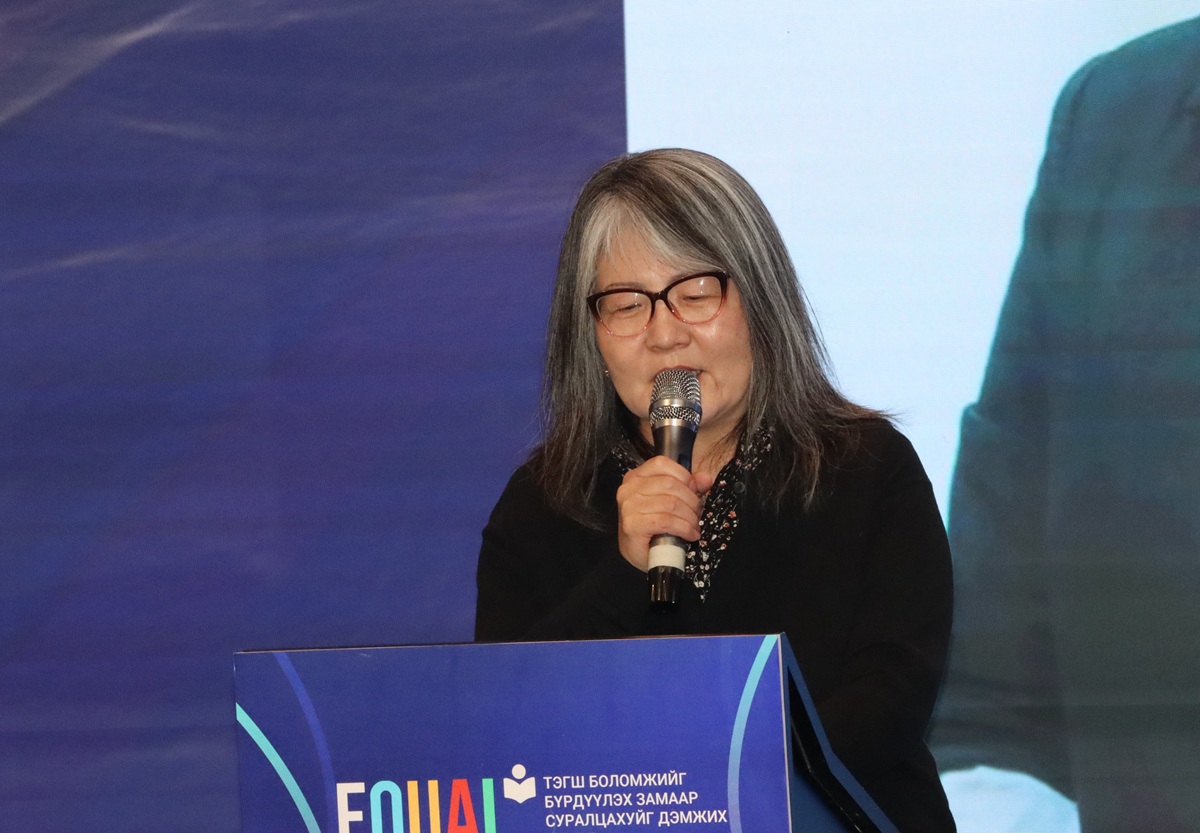


The results of the ‘“Enabling Equity to Advance Learning’ project were presented
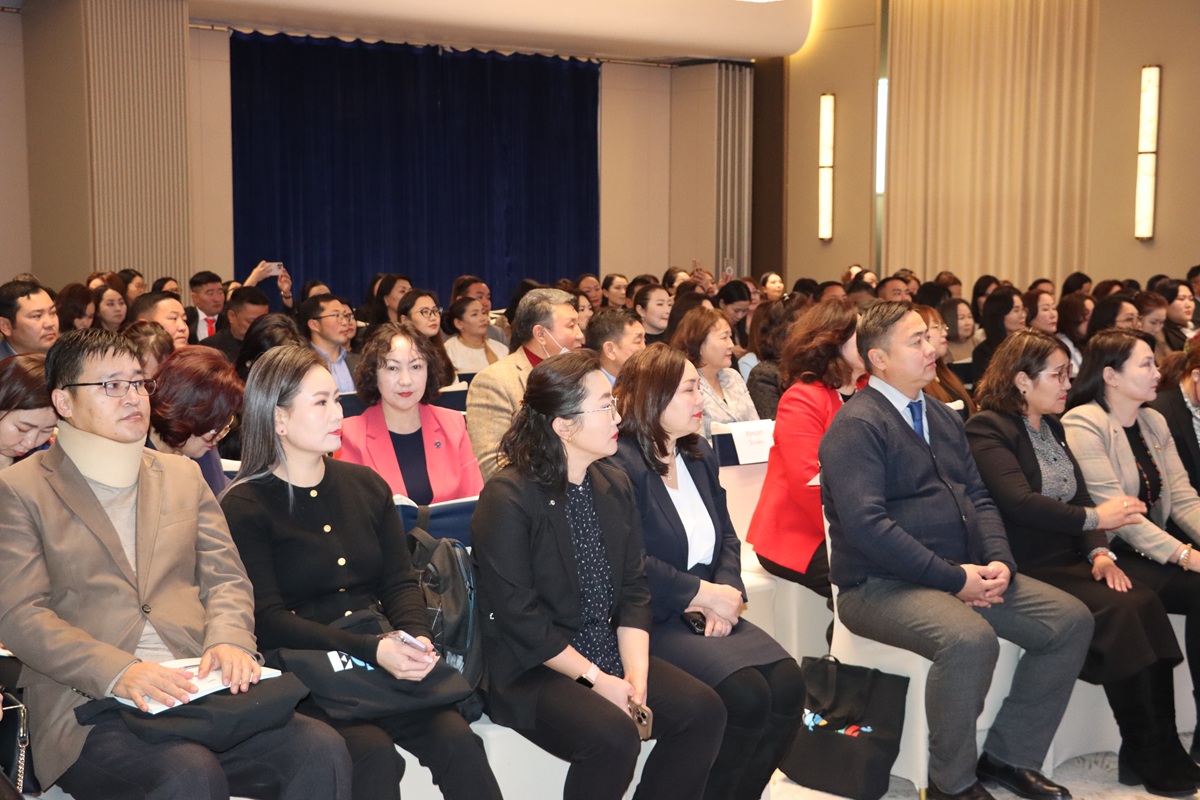
Ministry of Education successfully implemented the “Enabling Equity to Advance Learning” project from 2022 to 2025 with the grant support of the Global Partnership for Education (GPE). A national dissemination event to present the project’s implementation and share the results was held on 5 December 2025 in Ulaanbaatar.
The project focused on three priorities in the education sector: Inclusive Education, School Feeding Program, and Blended Learning. The project expanded access to general education for learners with disabilities, enhanced the quality and accessibility of school feeding services, and introduced a blended learning model. The project reached 273 general education schools across 21 provinces and 9 districts of Ulaanbaatar.
Save the Children in Mongolia worked as the Grant Agent responsible for coordinating project funds.
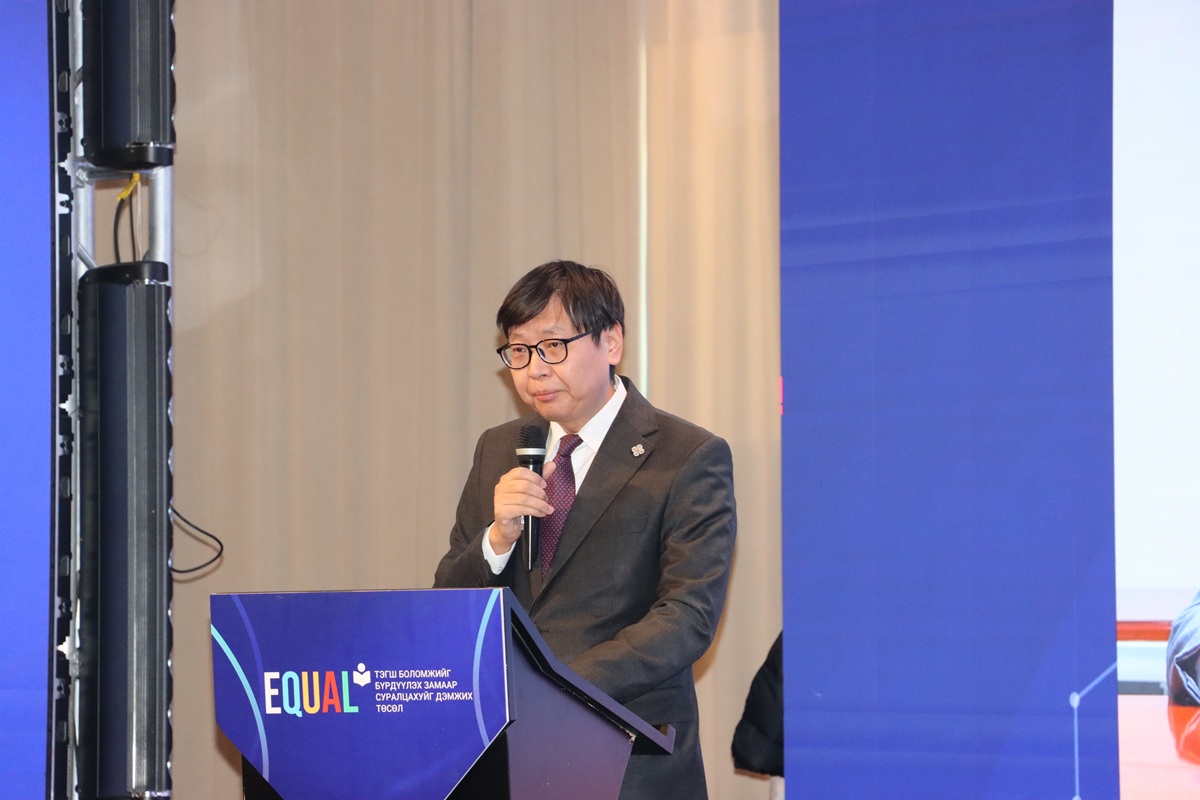
The event opened with remarks from Minister of Education P.Naranbayar, who noted: “The Ministry of Education has successfully implemented many programs at all levels with the financial and technical support of international organizations. One example is the three-year ‘Enabling Equity to Advance Learning’ project funded by the Global Partnership for Education. I want to emphasize that this project has effectively reached the areas where support was most needed. We would like to express our deepest gratitude to Save the Children in Mongolia for coordinating and managing the project funding“.
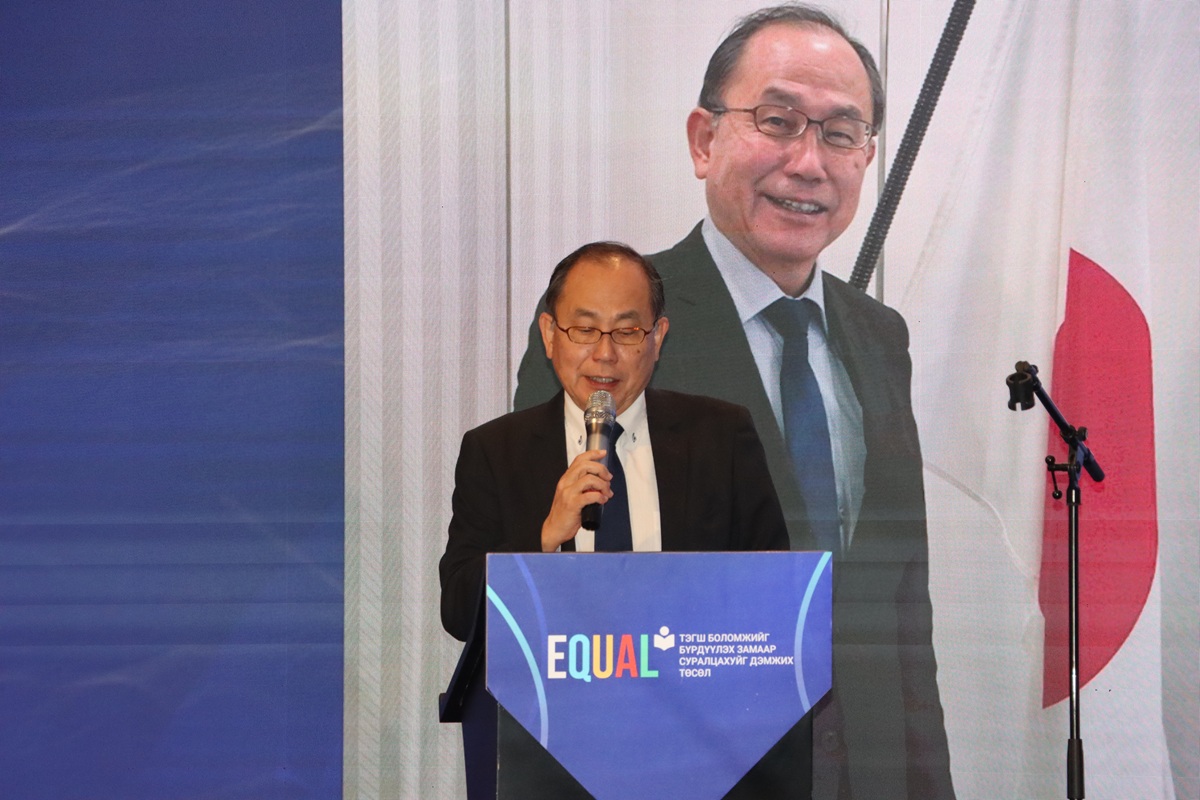
Mr.David Tsunakake, Development Cooperation Representative of the Embassy of Japan in Mongolia, also delivered remarks, stating that “Building on Japan’s long-standing achievements in the education sector, we have consistently supported Mongolia in its efforts to enhance the quality and accessibility of education.” The ‘Enabling Equity to Advance Learning’ project was timely, well-targeted, and has contributed to expanding equitable access to education in Mongolia, ensuring that every child regardless of developmental needs, geographic location, or socio-economic background can access quality learning.”
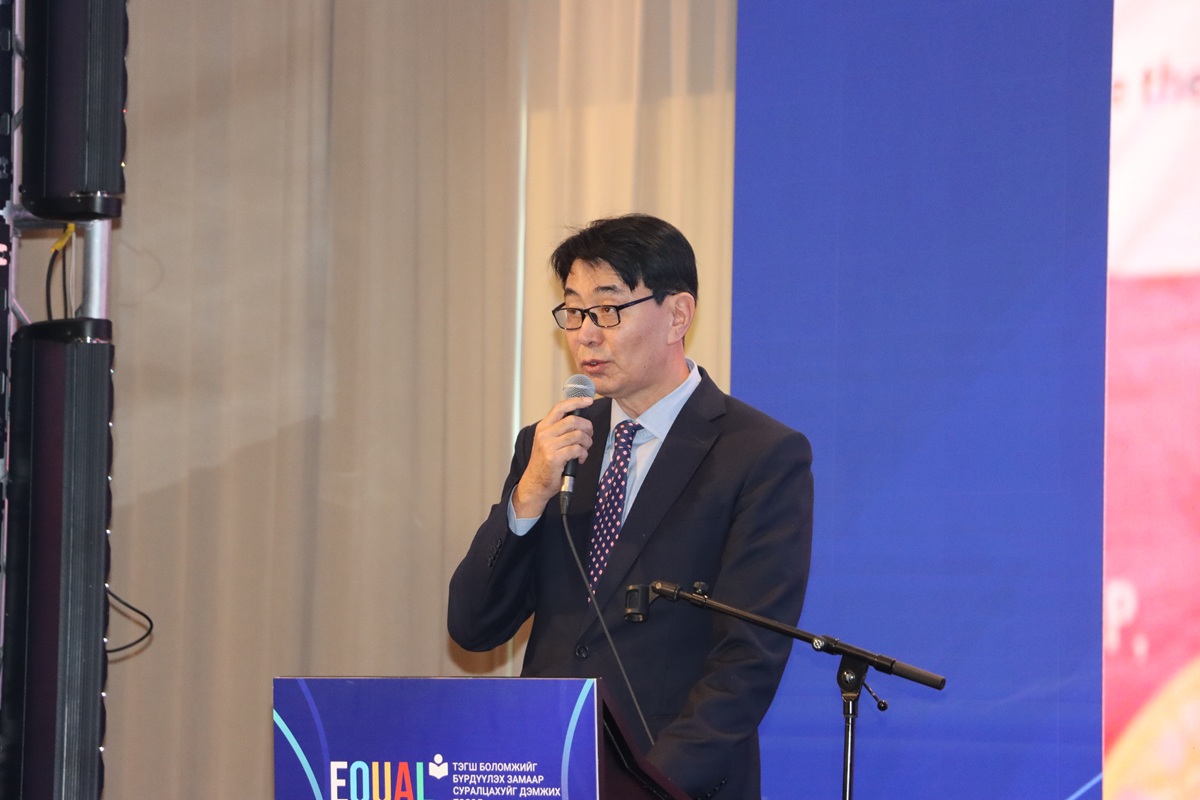
Mr.L.Bayan-Altai, Country Manager of Save the Children in Mongolia, highlighted the project’s scope and impact: “To date, the ‘Enabling Equity to Advance Learning’ project has reached a total of 225,000 children, teachers, and parents across 273 schools, making a meaningful contribution to Mongolia’s education policies, standards, human resources, and learning environment.”
During the event, the implementation and results of the Inclusive Education component were presented, followed by contributions from the Task Team, who led awareness-raising campaigns for peers, parents, and teachers. The School Feeding component presented its progress and outcomes, including approaches to supporting the nutritional needs of children with special dietary requirements, through a dramatic performance. The Blended Learning component introduced its achievements, and project-funded investments in general education schools were showcased through an interactive VR presentation.
At the conclusion of the event, individuals who made significant contributions to the project’s successful implementation received Leading Employee Awards and Certificate of Recognitions from the Ministry of Education and the Ministry of Food, Agriculture, and Light Industry.
Project Results:
- The “Enabling Equity to Advance Learning” project has reached a total of 273 general education schools in all 21 aimags and 9 districts of Ulaanbaatar city.
- 2817 teachers from 197 general education schools participated in training programs
- Necessary equipment and auxiliary tools worth of MNT 3.7 billion, totaling approximately 22,000 items, were supplied and fully installed in the kitchens of 45 general education schools in Ulaanbaatar and the provinces.
- Digital classrooms were established in 85 target general education schools, with a total investment of MNT 3 billion, to create an environment for implementing blended learning
- Child Development Support Classrooms established in 20 schools
- A total of 50 schools have established Digital classroom to implement blended learning
- A total of 59 schools were provided with kitchen equipment and supplies