


The Early Childhood Development Support Project Presented Its Results and Shared Experiences
Save the Children, with funding from the Japanese Ministry of Foreign Affairs, has been implementing the project “Promoting Sustainable, Holistic and Inclusive Developmental Support in Early Childhood in Mongolia” over a three-year period starting from 2024.
This project is being implemented in Bayanzurkh, Chingeltei, and Songinokhairkhan districts of Ulaanbaatar city , as well as in Bayankhongor and Selenge provinces, through 5 branch committees on health, education, and social protection for children with disabilities, 10 kindergartens, and 10 Family Health Centers. A meeting to present the project results and share experiences accumulated during the second year was held on March 19, 2026, at the Blue Sky Hotel in Ulaanbaatar.
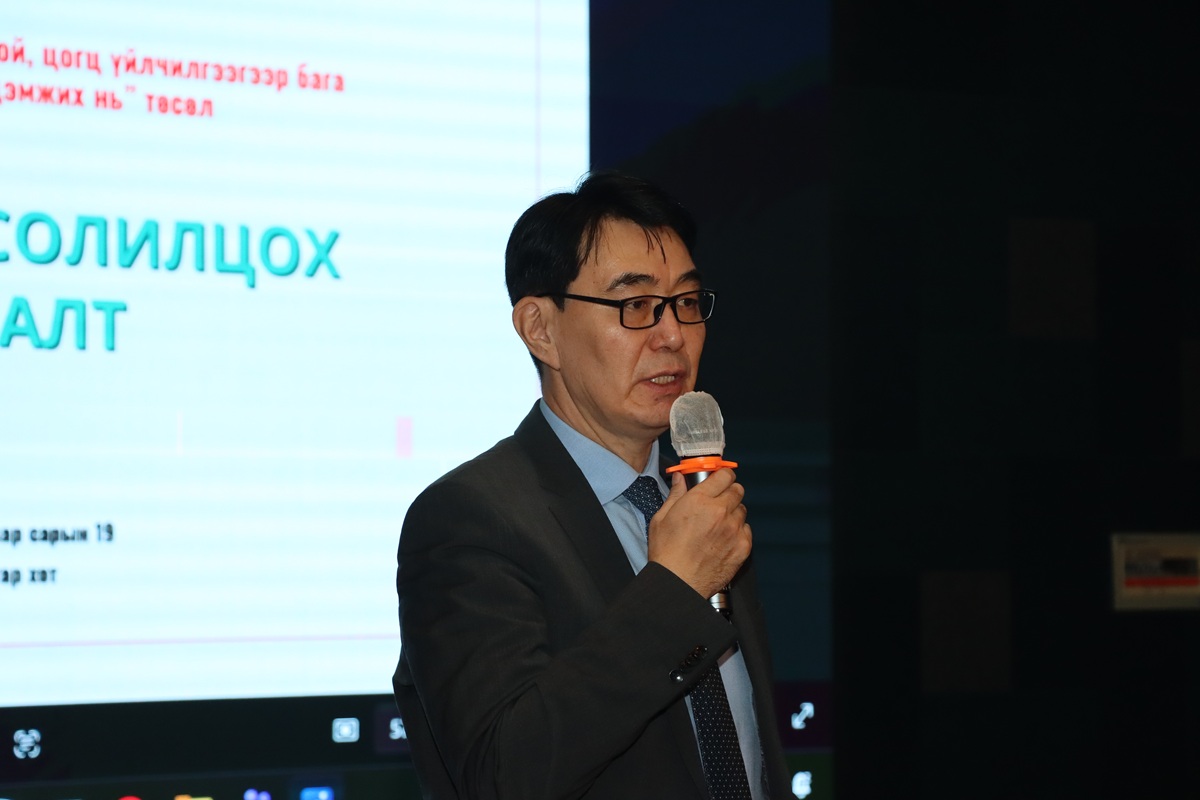
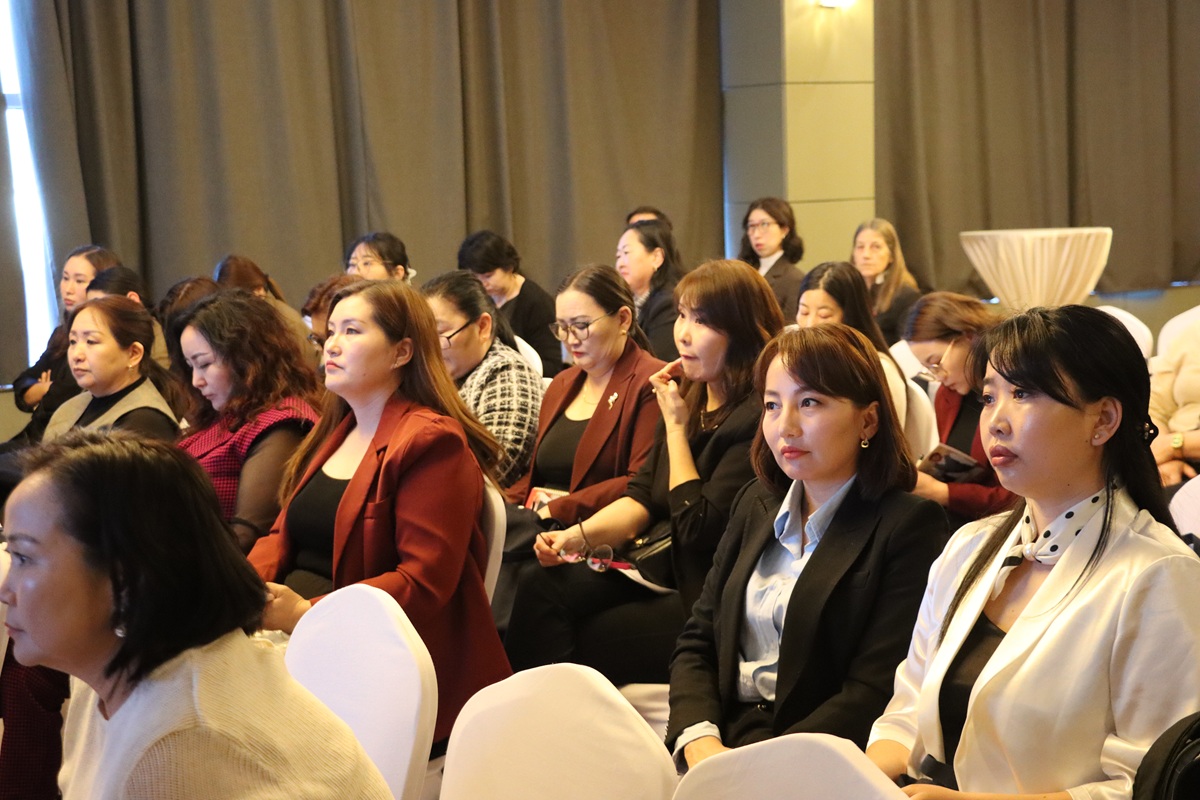
Opening the event, Mr. L. Bayar-Altai, Country Manager of Save the Children in Mongolia, stated that “I encourage you all to review and discuss the results, lessons learned, and experiences accumulated during the implementation period, and to identify areas for further improvement.”
Mr. Takashi Umeda, Second Secretary of the Embassy of Japan, attended the event and emphasized in his remarks “By sharing the results of activities implemented through Family Health Centers, branch committees, and kindergartens, and engaging in active discussions, this meeting serves as an important opportunity to reflect on and assess the project’s progress over the past year.”
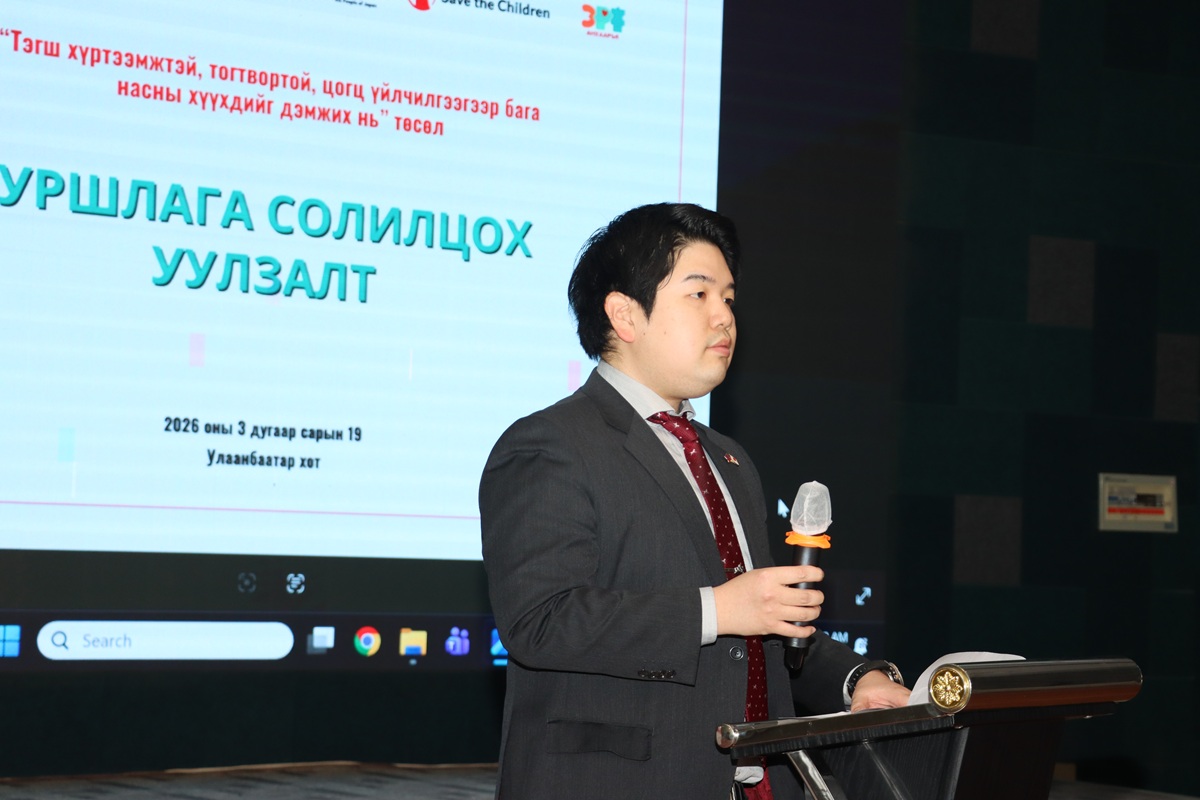
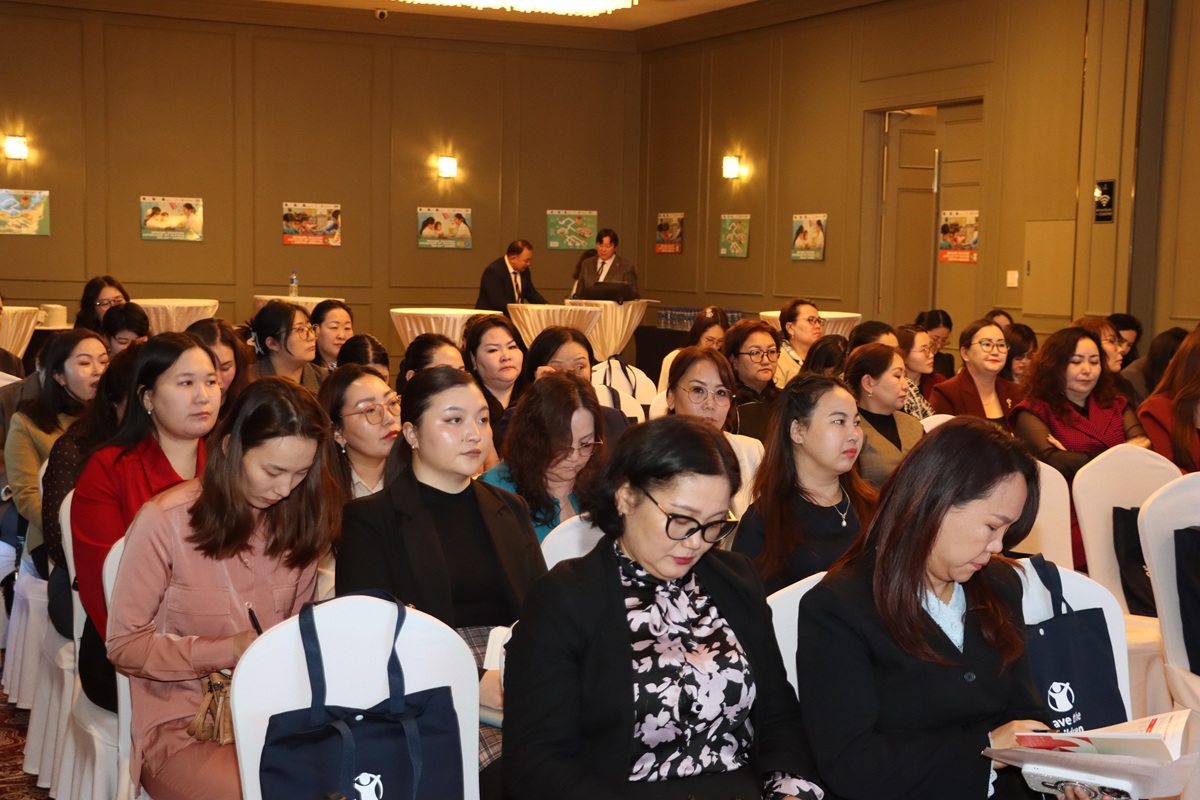
Relevant specialists and department directors from the Ministry of Education, Ministry of Family, Labour and Social Protection, and Ministry of Health presented updates on policies and implementation related to early childhood development and responded to participants’ questions.
In addition, Ms. A. Bayarmaa, Project Manager, Save the Children, presented a consolidated overview of the project’s results and lessons learned.
Representatives from project target areas including “Eeltei” and “Anan” Family Health Centers in Songinokhairkhan district, Kindergarten No. 320 in Bayanzurkh district, Kindergarten No. 3 in Selenge province, and the Social Policy Division of the Governor’s Office in Bayankhongor province shared their results and best practices.
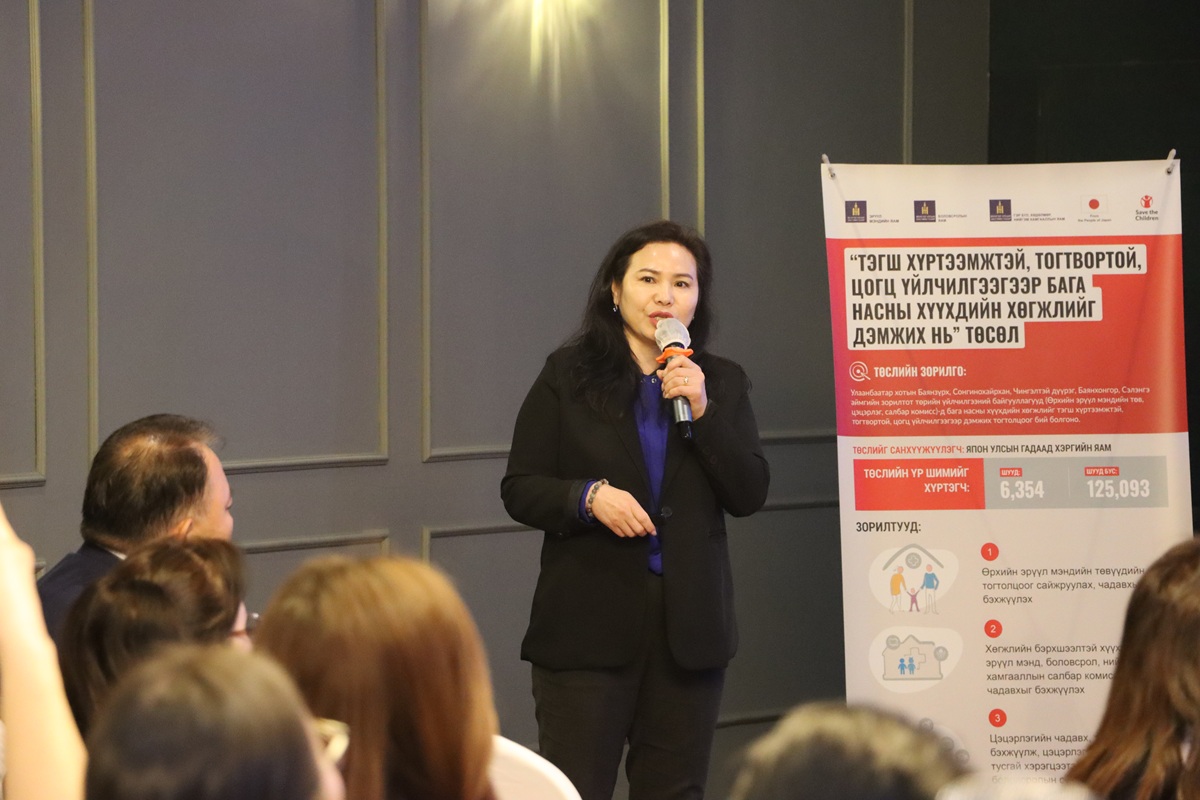
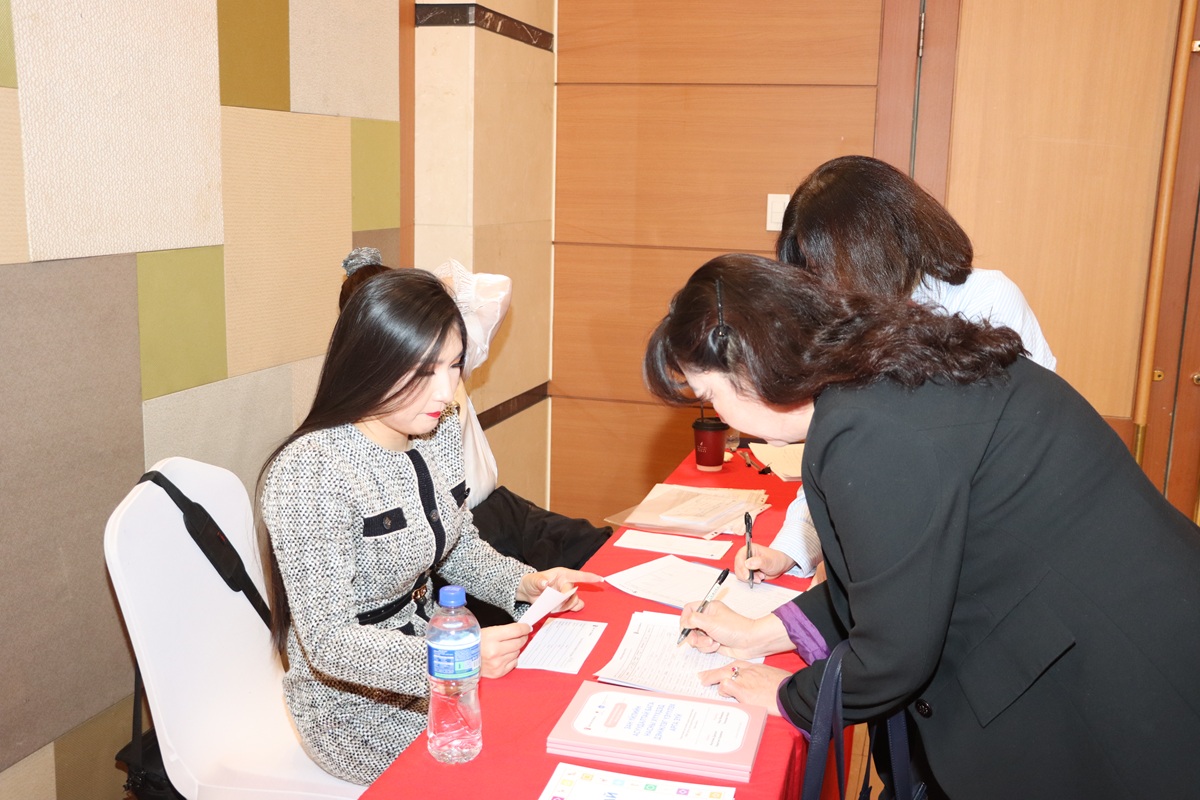
More than 70 participants attended the experience-sharing meeting, including representatives from target kindergartens, Family Health Centers, local education and health departments, branch committees, ministries, the General Authority for Education, consultants, and partners.
During the event, interviews were conducted with representatives from target provinces.
Ts.Dolgorlkham: Inclusive education knowledge is being disseminated to the community through teachers and parents
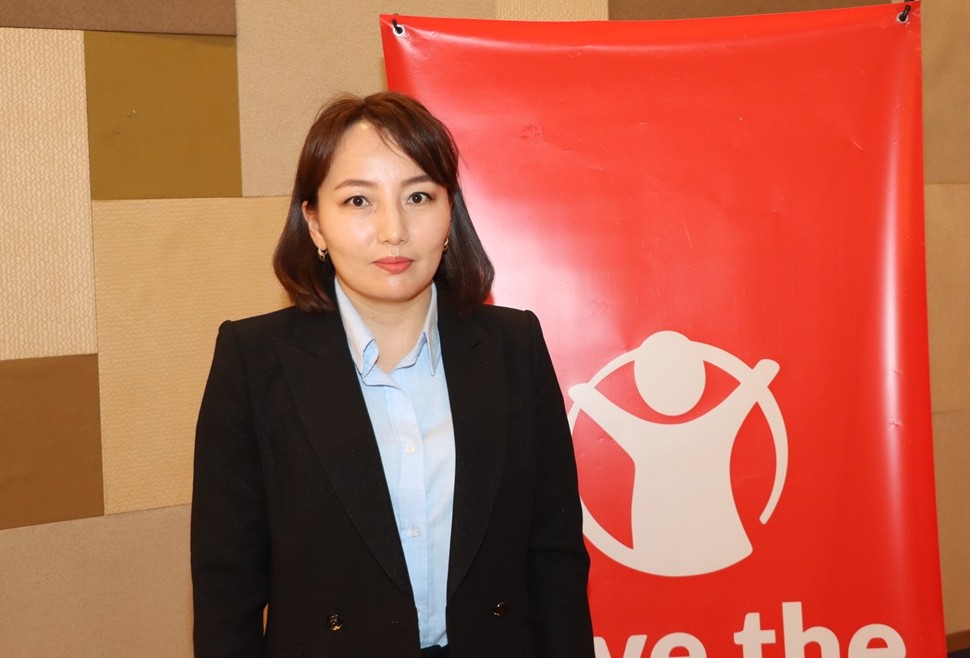
An interview with Ts.Dolgorlkham, Principal of the “Bayan Oit” school and kindergarten complex in Bayankhongor soum, Bayankhongor province.
– What results have been achieved since the project launched?
The project has been implemented in our province for the second year. It has provided opportunities to deliver training and information to parents and staff on how to understand and work with children with special needs. We have also established a fully equipped “Child Development Support Room.” Through the project, knowledge and methodologies of inclusive education are being widely shared with the community through teachers and parents.
– Has there been a change in parents’ attitudes and understanding?
Parents are increasingly understanding and accepting the importance of early identification of developmental delays through information provided by schools and kindergartens.
– How are teachers improving their skills in working with children with disabilities?
Teachers have gained basic knowledge to identify developmental disabilities at an early stage. They have also acquired basic sign language skills.
P.Amarsanaa: The project is timely and responds to a real social need
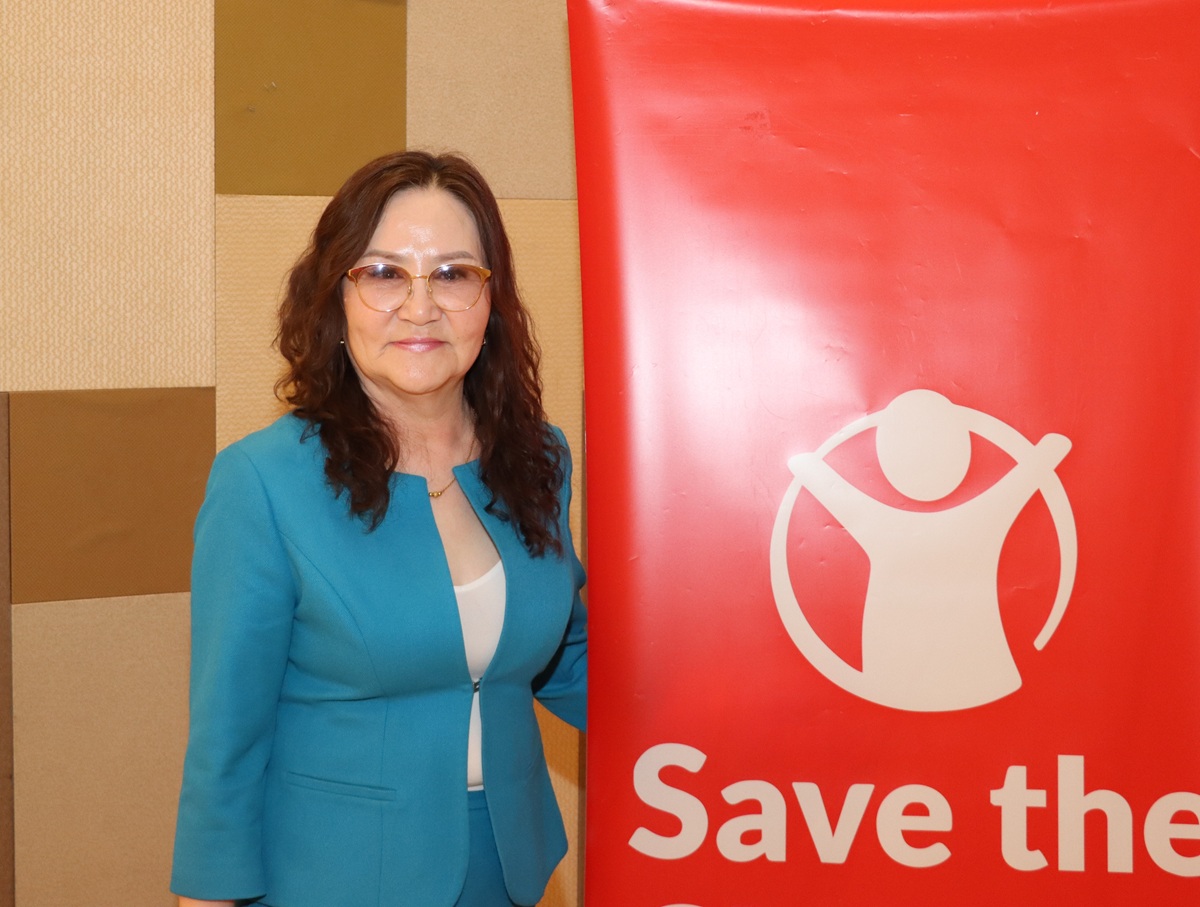
An interview with P. Amarsanaa, Principal of Kindergarten No. 3 in Sukhbaatar soum, Selenge province.
– Could you briefly introduce your kindergarten?
A total of 450 children from Bags 4 and 8 are studying in our kindergarten. We have 26 teachers and operate 20 classes across two buildings, including 18 regular classes and 2 classes that provide 24-hour service.
– What results have been achieved through the project?
The project is timely and addresses social needs. The legal environment for enrolling children with disabilities in mainstream kindergartens has improved. There are now more manuals and learning materials available, and the teaching and learning environment strengthened. For example, Save the Children established a “Child Development Support Room” in our kindergarten and provided the necessary learning materials. This room benefits not only children with special needs but all children. It also serves as a space for parents to engage, communicate, and interact more actively.
– How have teachers’ skills improved in working with children with disabilities?
Previously, there were limited training opportunities. Now, all teachers and parents have basic knowledge in the area of Inclusive education. Teachers are receiving step by step, in-depth training on how to work with children with disabailities, engage parents, and change attitudes. As a result, they are able to work effectively with children and collaborate with parents. Currently, four children with disabilities are studying in our kindergarten, and two children have been successfully prepared to transition to primary school. The project is showing clear progress and positive results.