


Bringing science to life
Compared to countries like Japan, Indonesia, or Turkey, strong earthquakes are rare in Mongolia. For this reason, many Mongolians have never truly imagined what an earthquake feels like, often thinking it’s something distant and unrelated to their daily lives. But for the students of School No. 119 in Nalaikh district, this perception is changing. Using VR technology, they can see and feel how earthquakes happen and how their effects spread.
“I never imagined earthquakes happen like this” said sixth grade student Tuguldur Munkh-Orgil. For him, it wasn’t just a lesson, it was the first time his curiosity had been sparked by science.
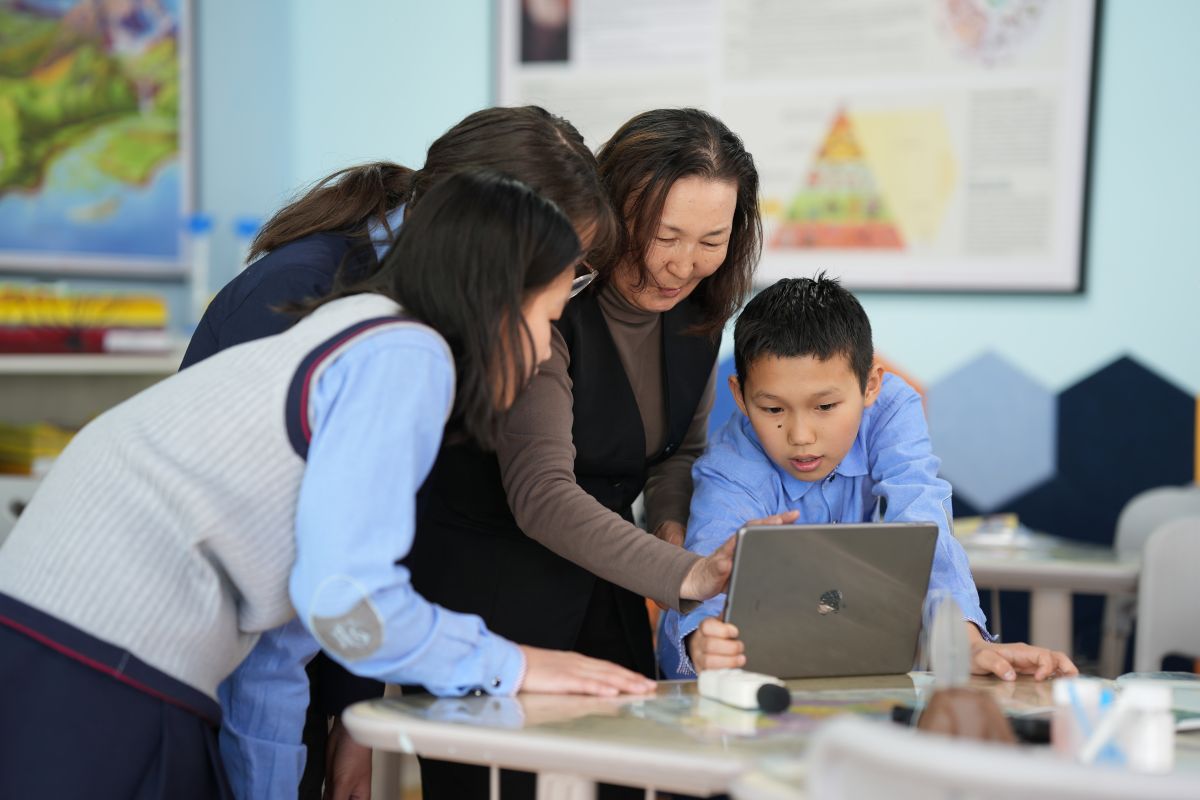
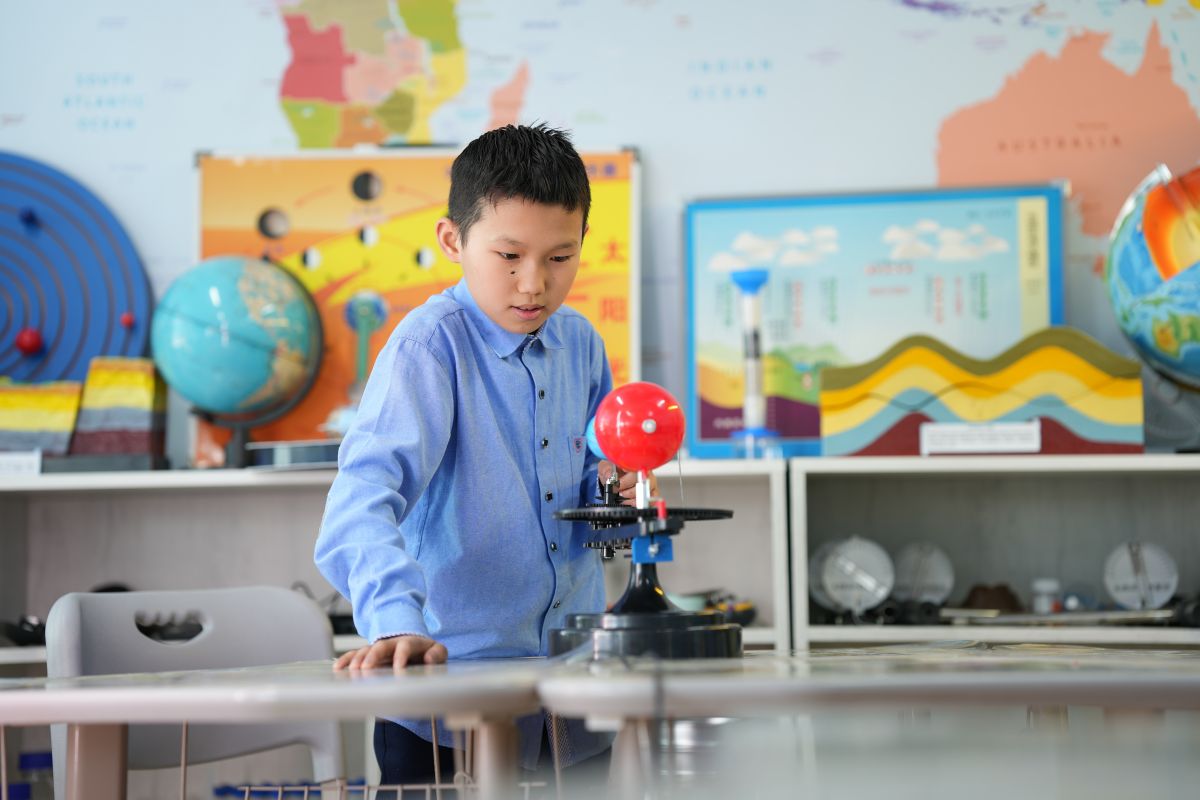
In this classroom, students don’t just listen to theory and memorize facts. They measure wind speed, check classroom temperatures, conduct soil cross section experiments, explore the Earth in detail through VR and even observe the moon’s surface through telescopes. Various experimental tools and models give them the chance to study natural phenomenon firsthand. The ceiling is decorated with astronomical images, while the curtains are printed with scientific knowledge, information and formulas from chemistry and physics.
However, not every school has access to a classroom like this or the opportunities it provides. This inspiring learning environment is the result of years of dedication and persistence. Geography teacher Nergui Dorjgarav has long been committed to creating a comprehensive and hands-on learning space where children can better understand science. Since 2018, she has continuously developed and written project proposals, securing a total of 60 million MNT in funding from eight organizations, including Save the Children, to establish this unique science resource classroom.
She recalled a moment from her own childhood that deeply shaped her teaching philosophy.
When I was in eighth grade, my geography teacher once took us out of the classroom and brought us to the foothills of a mountain, where she taught us about an extinct volcano in Bulgan Province. I still remember everything she told us that day. That experience made me realize how much more understandable and effective learning becomes when children are connected directly with nature” she said.
Driven by this belief, Teacher Nergui Dorjgarav has worked tirelessly since 2018 to create a more accessible, experiment-based learning environment for her students. As a result of her continuous efforts in project writing and fundraising, she has established a fully equipped science classroom that is rare not only in the district but also across Mongolia. She first began turning this vision into reality with an initial support of a million MNT from the school.
Through Save the Children’s My Forest Child project, Teacher Nergui Dorjgarav also developed a 5 million MNT proposal to supply her science resource classroom with measurement and field research tools. With this funding, the school was able to procure 88 pieces of educational equipment across 23 different types, significantly expanding students’ opportunities for experiment-based and research-driven learning.
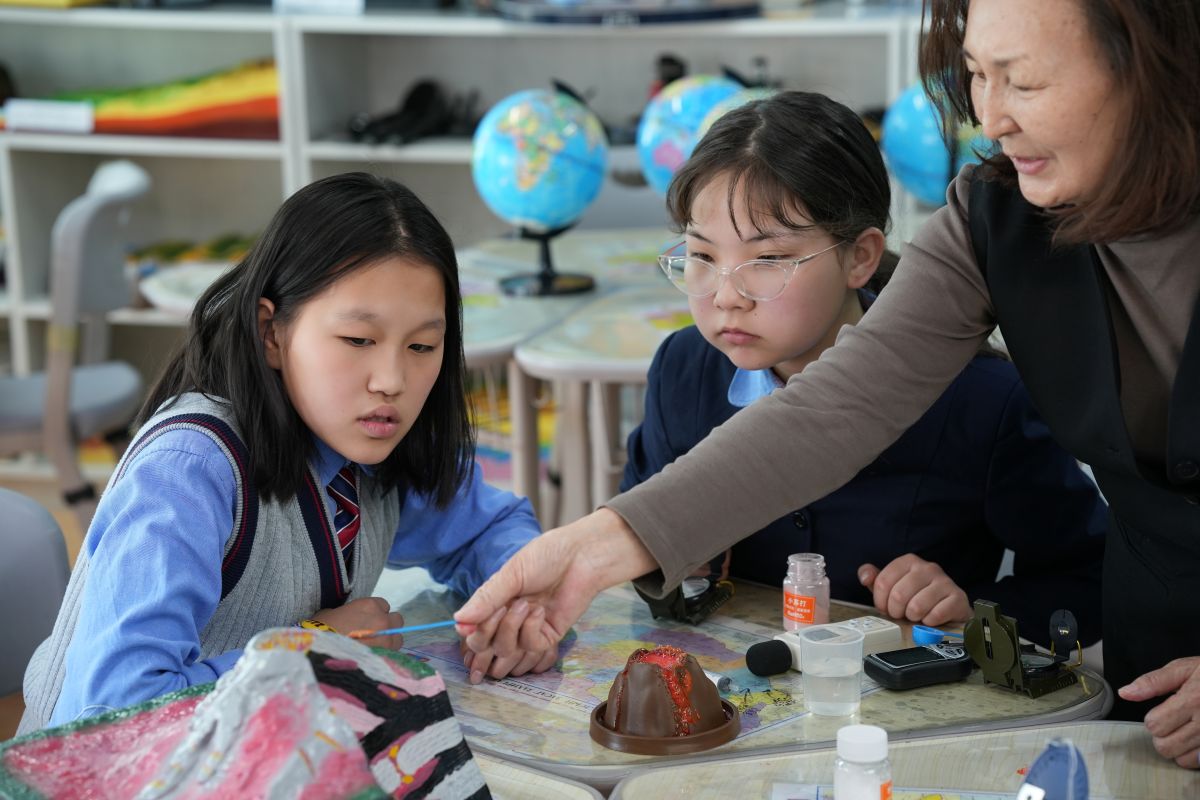
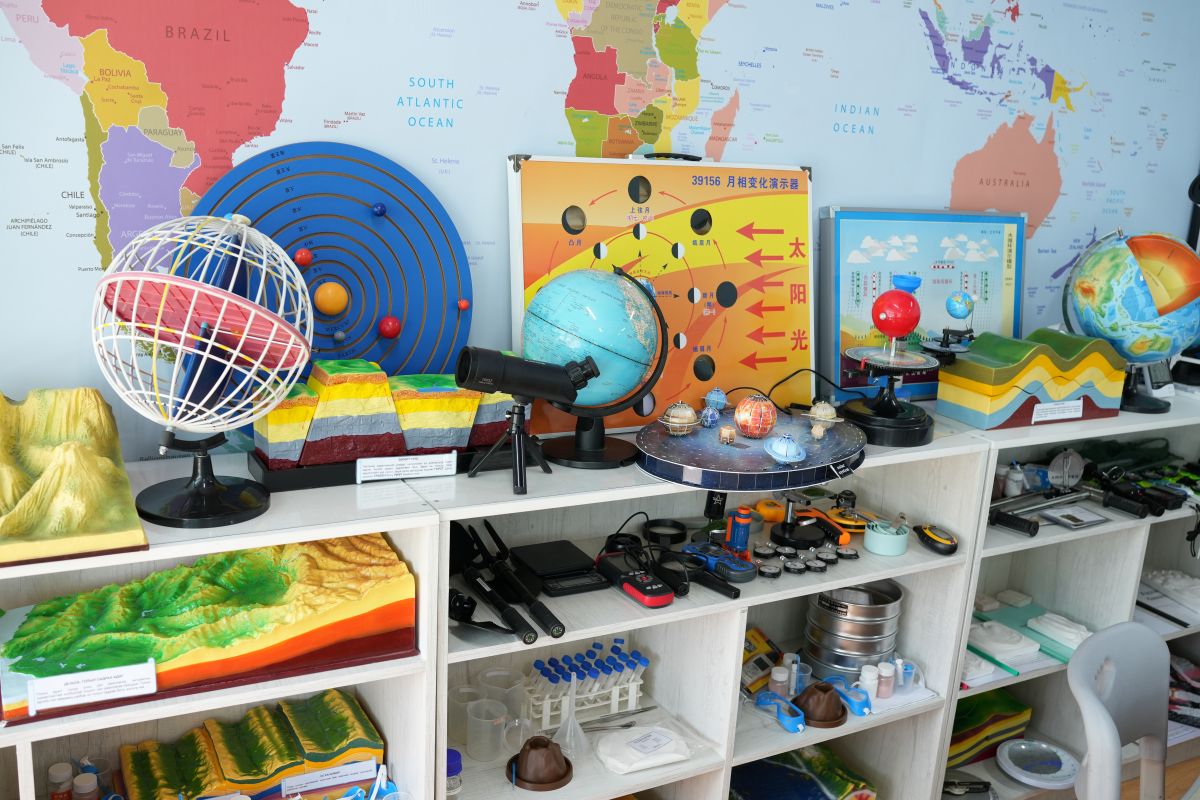
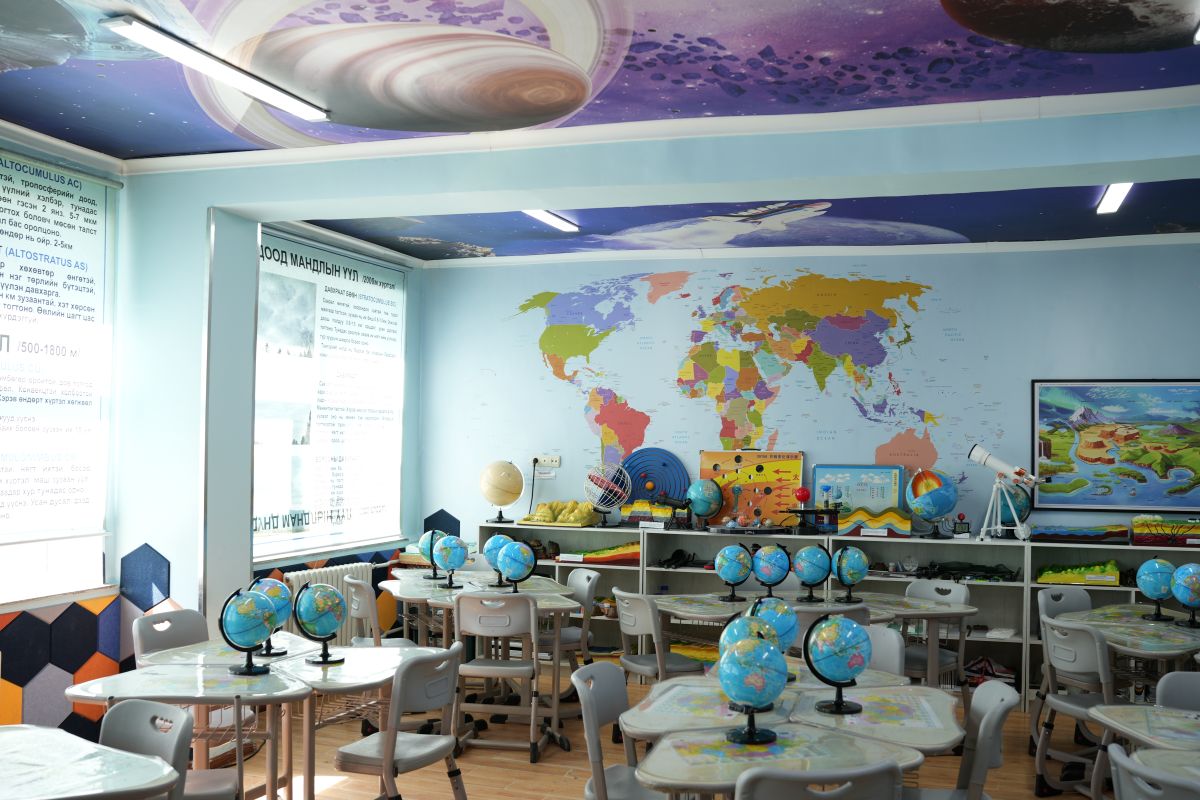
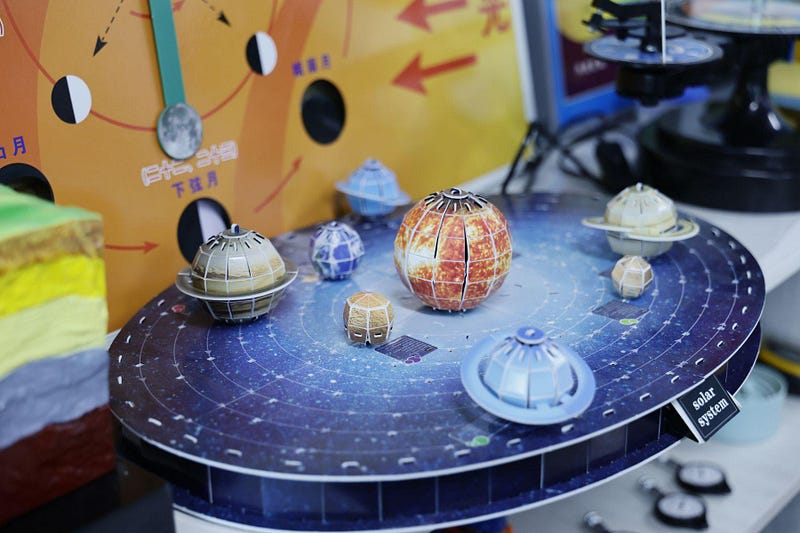
Today, each student has access to maps, globes and experimental tools right at their desks. Expanding this initiative and enriching the learning environment even further was made possible with the support of Save the Children in Mongolia. Through their support, 23 types of 88 additional learning tools and materials were added, making the classroom even more accessible and providing students with greater opportunities to explore science.
The establishment of this classroom has not only transformed the learning environment but has also significantly improved educational outcomes. Between 2019 and 2024, the implementation and performance of science education standards at the school showed steady improvement at the school, district and city levels. Students have also achieved leading positions in subject Olympiads and, according to Teacher Nergui, have developed the habit of using the full 40 minutes of class time effectively.
In addition, students’ participation and engagement have increased noticeably. They now take greater responsibility for completing experiments through to the final result and are developing stronger independent learning skills.
Teacher Nergui’s next dream is to establish at least one science resource classroom like this in every district and province. She believes this would help reduce the gap in learning opportunities between urban and rural schools and ensure that every child in Mongolia has equal access to quality science education.
From teacher Nergui’s students, future engineers, researchers, and environmental specialists will surely emerge. But most importantly, every child in this classroom is beginning to understand and enjoy science.