


“I Support My Friends” Programme: Facilitator training for teachers
Save the Children in Mongolia, with funding from the “Development, Participation and Experience” programme of Khanbogd Development Oyu Tolgoi Catalyst Fund, is implementing the “I Support My Friends” project in general education schools in Khanbogd soum, Umnugobi Province.
As part of the project, a training programme for teachers who will facilitate the “I Support My Friend” programme was conducted in Khanbogd soum, Umnugobi Province, from September 21 to 24, 2026.
Through the training participants strengthened their ability to identify children and adolescents in need of support, provide safe and appropriate assistance, connect them with relevant services, and facilitate learning sessions that help young people develop these skills themselves.
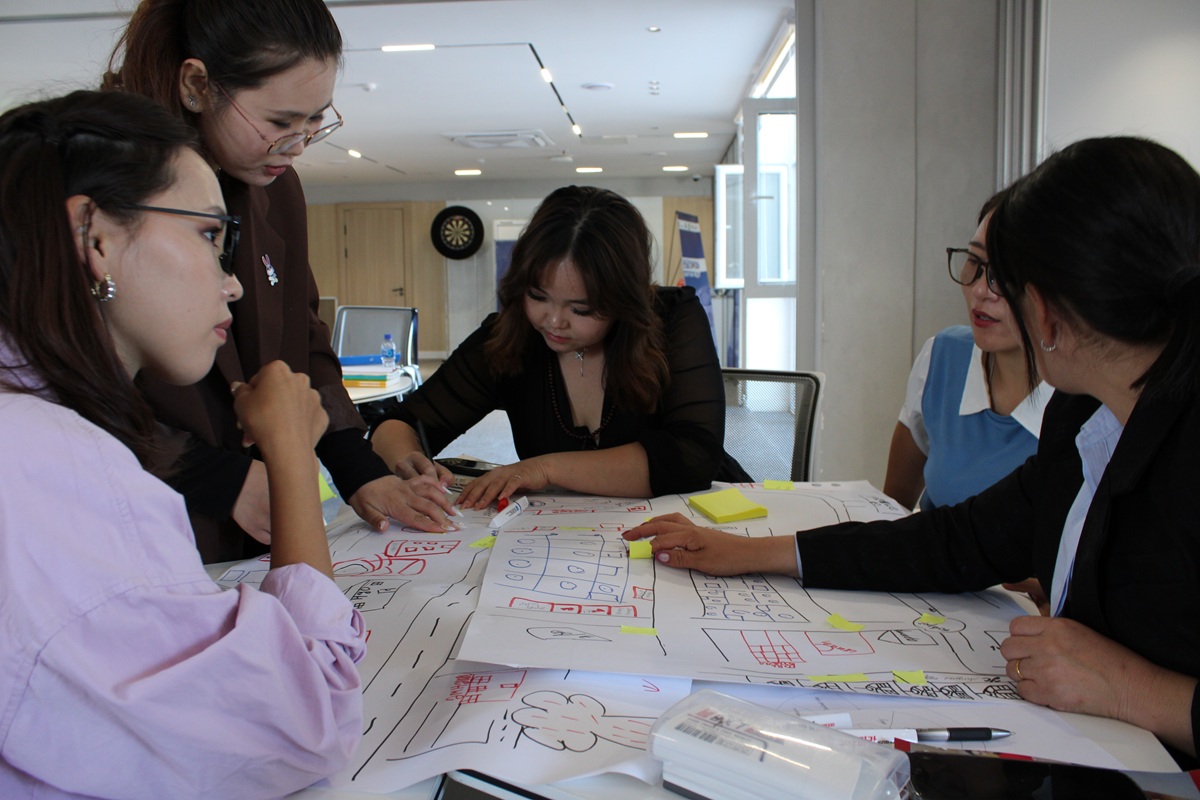
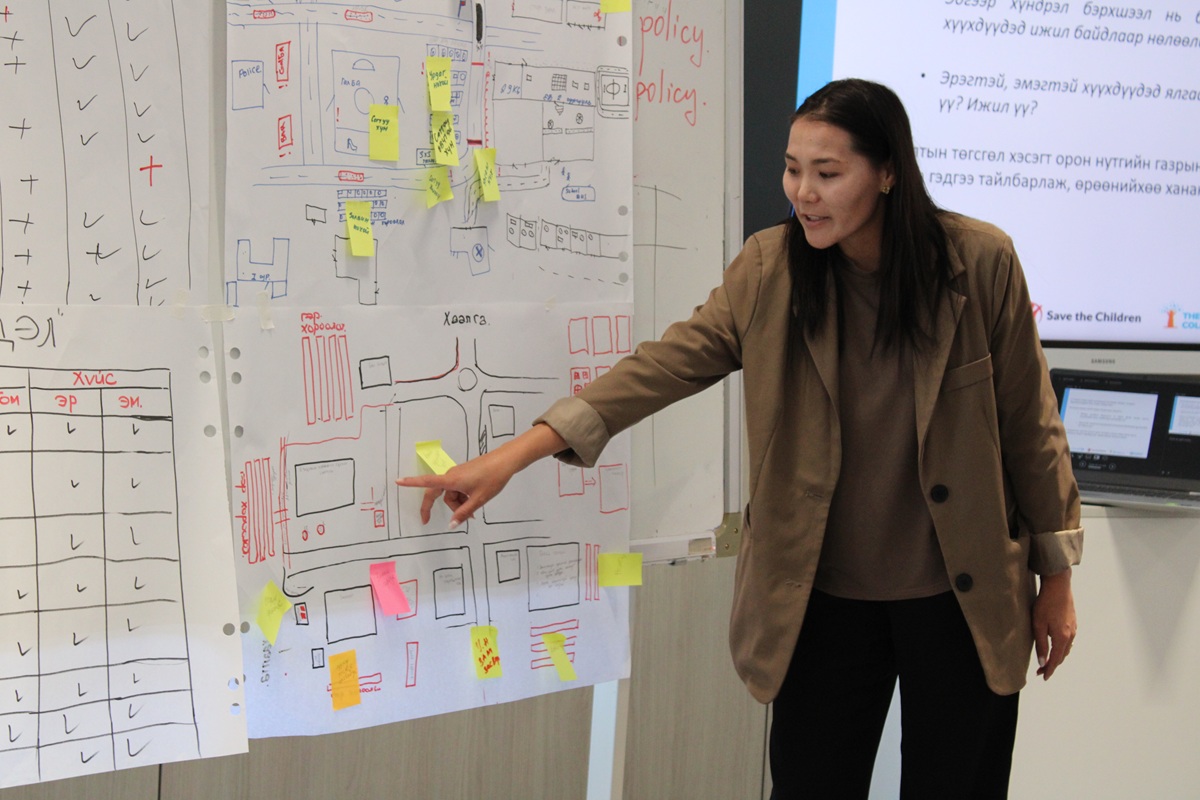
D.Altansolongо, School Psychologist at General Education School No.1: “In recent years, I have participated in many trainings based on the principle of ‘participants listening to the trainer,’ but I had not participated in a training that was genuinely grounded in meaningful participation. Looking back, I realized that by not participating in participatory training, I had missed the opportunity to reflect on my own resources and skills, how to convey them to children, and to learn from international experiences. The training was designed to ensure that every participant felt safe, unafraid, and free from pressure. For me, it was a training where I could be open, free, and truly be myself. Rather than worrying about what others might think of me, I was able to focus on the importance of participating more actively and learning more. There was no time to be bored during the training. It was a timely and meaningful training that brought us together around a common goal.”
S.Otgontuya, Teacher at General Education School No. 2: “As I am a Mongolian language teacher, I initially thought that this training was not directly relevant to my role. Although I am a teacher of homeroom, I used to simply observe the children in my class and go on without getting involved when I noticed that some of them might be at risk. I thought that working with student’s at risk was primary the responsibility of the school social worker or psychologist. However, by participating in this two-day training, I came to understand and learn a great deal. I think I am fortunate to have been able to participate in the training together with many teachers from my school. There are many children with psychological difficulties in the classroom. Before, when I talked about these children to their homeroom teachers, I would feel as though I was putting them in an awkward position, as if I were revealing their private matters, and I did not know how to approach the situation appropriately. Through participating in this training, I realized why this happened. Every training has something valuable to offer. I would like to thank the teachers who organized such a wonderful training.
E.Bud, Teacher at General Education School No. 2: Last year, while working as a homeroom teacher, there was a situation where I failed to properly observe, listen to, or guide one of my students.” Through this training, I gained valuable knowledge on how to work with children, observe them, communicate with them, and provide appropriate guidance. I also learned practical approaches to working with children who are in difficult circumstances. Now, I feel motivated to share what I have learned with other teachers at my school.
A.Enkhjargal, Teacher at General Education School No. 2: “I have been working in Khanbogd soum for one month, and this was my first training here. When students face problems or difficulties, they tend to turn to their friends for support, and they understand and support one another well. Mental health has become an increasingly important issue. This was an effective training that combined theory and practice. I would like to see the methodology from this training reach as many people as possible. I believe it can be an effective approach for supporting who have experienced violence, abuse and other difficult circumstances. This was the first time I learned about the ‘I Support My Friends’ project. I hope we can continue working together and sharing our experiences.”
Ts.Nerzul, Staff Member at the Youth Development Centre of Khanbogd Soum: “At first, I was quite hesitant about setting aside my daily work and attending a full two-day training. However, the training was very beneficial. I found myself looking forward to what would be taught the following day. Since I work with children, young people, and adolescents, I was able to gain a great deal of practical knowledge, skills, and information. I would like to sincerely thank everyone who actively participated in the training.”
Children and adolescents are often to notice the signs of emotional distress among their peers. However, because they often have limited knowledge and experience about how to help, adults need to teach and guide them on what they should and should not do when supporting their friends, and when, where, and how to seek further support. The “I Support My Friends” methodology equips children and adolescents with the knowledge skills to safety support peers facing difficult circumstances, listen without causing further harm, and provide psychological first aid (PFA), connecting them to appropriate sources of support when needed.