


Mitsuaki Toyoda: I believe our role is not simply to bring solutions from outside
Interview with Mr. Mitsuaki Toyoda, New Business Development and Institutional Partnerships Manager and Country Director of Save the Children Japan in Mongolia.
–You first came to Mongolia nearly 30 16 years ago. Looking back, how has the child protection situation in Mongolia changed since then, and how does today’s situation compare with what you observed during your first years in the country?
I first came to Mongolia in 1997, when I was working with another organization on broader humanitarian and development issues. Mongolia was going through a major social and economic transition at the time. Many international organizations and NGOs were working in the country to respond to a wide range of development challenges. One child protection issue I particularly remember was children living or working on the streets and in markets, especially in Ulaanbaatar. Many families were facing serious economic and social difficulties. At the same time, the systems and professional services needed to protect and support vulnerable children were still at an early stage. Save the Children had started working in Mongolia in 1994. What was important was that it did not focus only on direct support to children. It also helped Mongolia build longer-term systems and solutions. One good example was its support for establishing Mongolia’s first university-level social work department and developing professional social work capacity. Over time, this also helped strengthen community-level child protection mechanisms, including multidisciplinary teams at the lowest administrative level. I joined Save the Children as Country Director in Mongolia in 2007. Since then, I have seen major progress in child protection laws, policies, services, professional capacity, and public awareness of children’s rights. But the challenges have also changed. Violence against children remains a serious concern, while online risks, children’s mental health and wellbeing, and the impacts of climate and environmental change have become increasingly important. So, looking back over almost 30 years, I think Mongolia has made substantial progress. I am particularly pleased that Save the Children has contributed not only by supporting children and families directly, but also by helping strengthen the systems, institutions, and professional capacity that protect children and promote their rights over the long term.
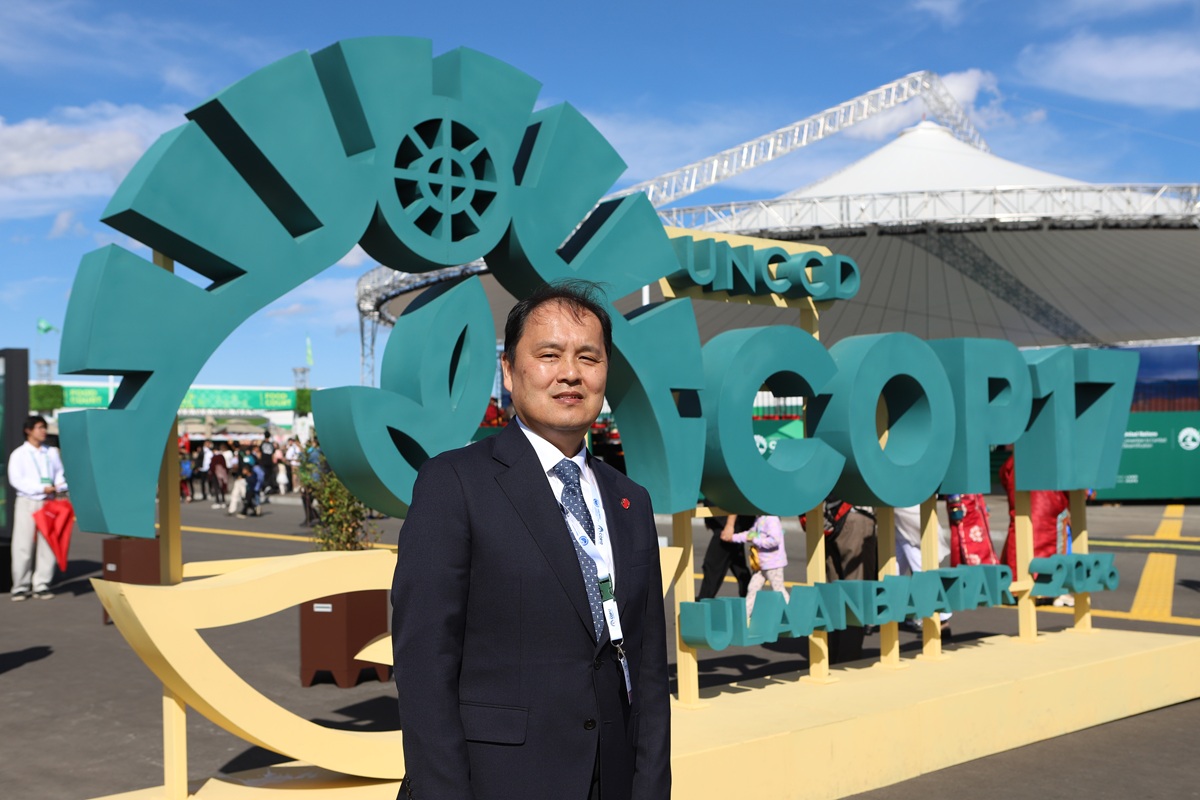
-Save the Children participated in the 17th Conference of the Parties to the United Nations Convention to Combat Desertification (UNCCD COP17), held in Ulaanbaatar in August 2026, and you joined the event representing Save the Children Japan. From your perspective, what were the most important outcomes of Save the Children’s participation?
For me, one of the most important outcomes was that we brought the perspectives of children and young people more clearly into discussions on desertification, climate change, and environmental sustainability. These issues are often discussed from environmental, agricultural, economic, or broader policy perspectives. But we also need to look at what they mean for children – for their education, health, livelihoods, and future opportunities. Our side event, organized with Mongolia’s Ministry of Education under the theme “Investing in Children and Youth for a Greener Future,” brought together government representatives, young people, and Save the Children. It gave us a valuable opportunity to discuss how education can better equip children and youth to respond to climate and environmental challenges, drawing on Mongolia’s own experience and context to explore practical ways of responding to these challenges. Another important outcome was strengthening our partnership with the Government of Mongolia, particularly the Ministries of Education and of Environment and Climate Change. Senior representatives from both ministries participated, showing a shared interest in advancing climate and environmental education. I think this gives us a strong foundation for further collaboration, including more practical approaches that connect education with local communities, traditional knowledge, and Mongolia’s unique environment. Finally, COP17 helped us identify concrete opportunities for follow-up through programmes, research, policy engagement, and partnerships. For me, the key message is simple: children and young people should not be seen only as those affected by climate and environmental change. They should also be active participants in finding solutions and shaping a more sustainable future.
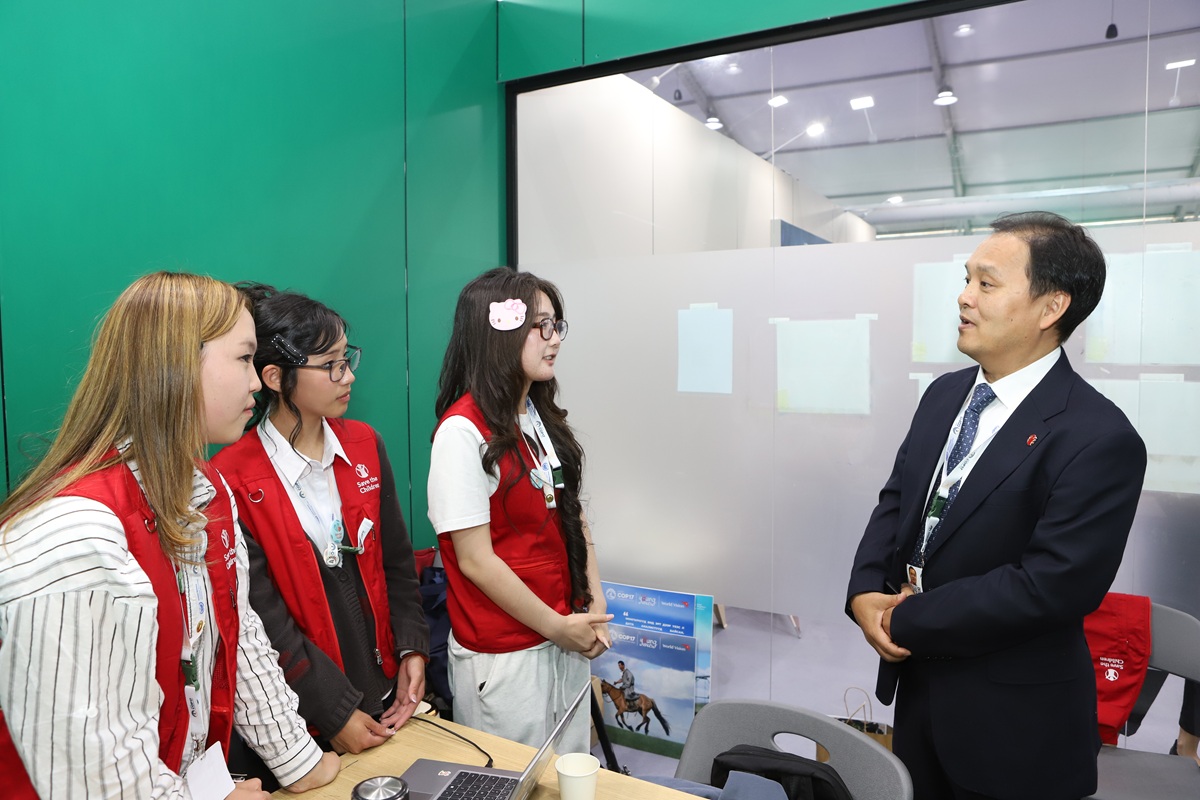
-What new opportunities do you think Save the Children’s participation in COP17 could create for our future work in Mongolia and internationally, particularly in linking climate change, environmental challenges, and children’s rights and wellbeing?
I think COP17 gives Save the Children an opportunity to move beyond climate and environmental education as mainly classroom-based learning. We can explore approaches that are much more practical and rooted in local communities. In Mongolia, particularly in rural soums, one possibility is an age-appropriate school-based work-study model that combines academic learning with structured practical experience. For high-school students, this could include agroforestry and sustainable agriculture as an extension of Technical and Vocational Education and Training, or TVET. It could also include small research and learning facilities for soil and plant ecology, linked with Mongolian and international universities and research institutions, as well as supervised practical experience in sustainable commercial-scale farming and livestock production. This would expose students to science and innovation while connecting local knowledge with wider academic expertise. Similar work-study approaches are already used internationally, where practical experience is part of education alongside academic study. Through such programmes, students could develop technical and environmental knowledge, but also responsibility, teamwork, problem-solving, discipline, and an appreciation for productive work. Of course, the purpose must remain educational, with appropriate safeguards and supervision.
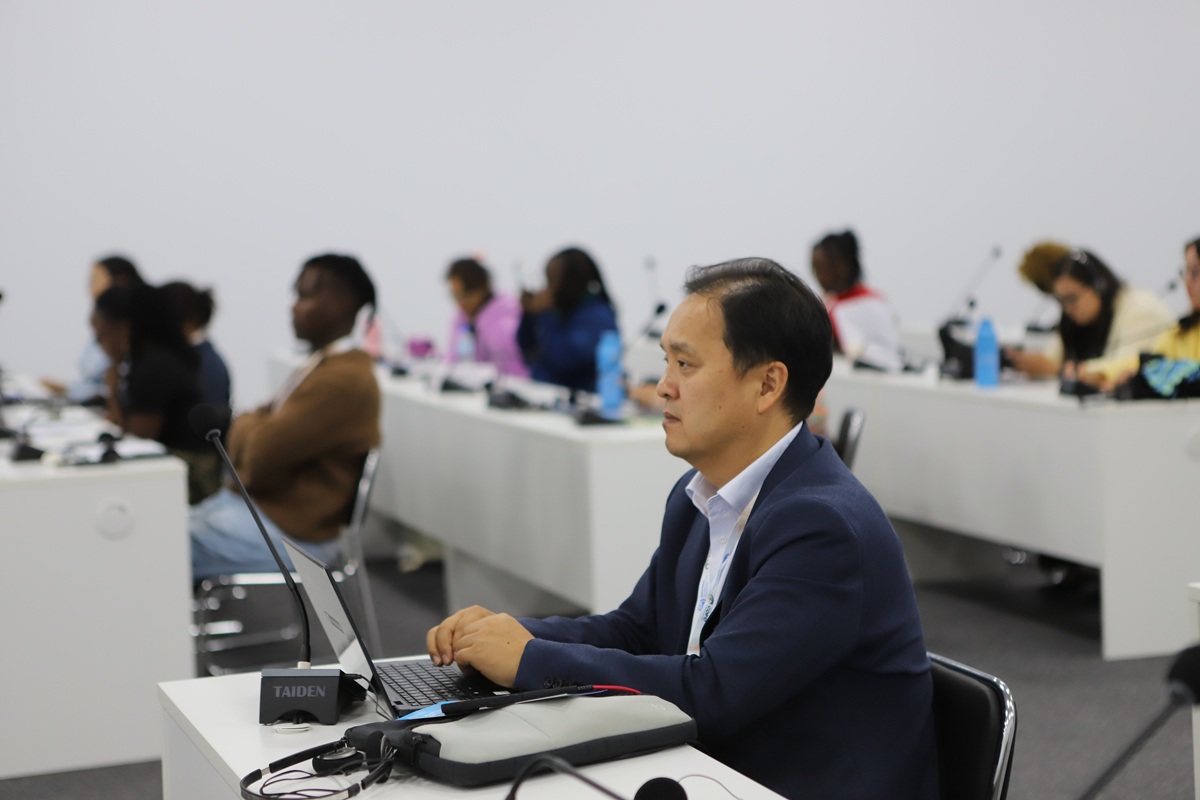
There is also real potential to connect this model with school feeding programmes and local economies. At present, schools receive government funding to purchase food, much of which has to be transported from Ulaanbaatar or regional centres to rural soums. Instead of relying mainly on food brought in from distant locations, some of these limited resources could help strengthen sustainable local food production and supply chains. Schools could partner with responsible Mongolian and international agricultural and food processing companies, as well as local farmers and herder communities. This could link practical education with locally produced food, better nutrition, and sustainable livelihoods. Students would see firsthand how sustainable agriculture and environmental stewardship can contribute to food security, community resilience, and the local economy. More broadly, this could become a model that connects education and skills development with climate resilience, local food systems, and rural economic development. If we can develop and demonstrate such an approach in Mongolia, I think there is real potential to adapt it in other countries where Save the Children works.
– Staff and representatives from Save the Children Japan, Korea, and Mongolia participated and worked together during COP17. How would you describe this collaboration, and what value did this joint participation bring to Save the Children?
I think the collaboration among Save the Children Japan, Korea, and Mongolia was very valuable. Each team brought different perspectives, experience, and expertise. At the same time, the Mongolia team brought the local knowledge, government relationships, and understanding of the national context that were essential for our engagement at COP17. Working together also showed the value of collaboration across Save the Children members and country teams. Climate change and environmental degradation do not stop at national borders, and neither should our learning. By sharing knowledge, technical expertise, networks, and resources, we can develop stronger responses for children. I hope COP17 can be a starting point for more collaboration among Japan, Korea, Mongolia, and other parts of Save the Children – not only around future COPs, but also in developing practical programmes, research, advocacy, and partnerships that connect climate and environmental action with children’s rights and wellbeing.
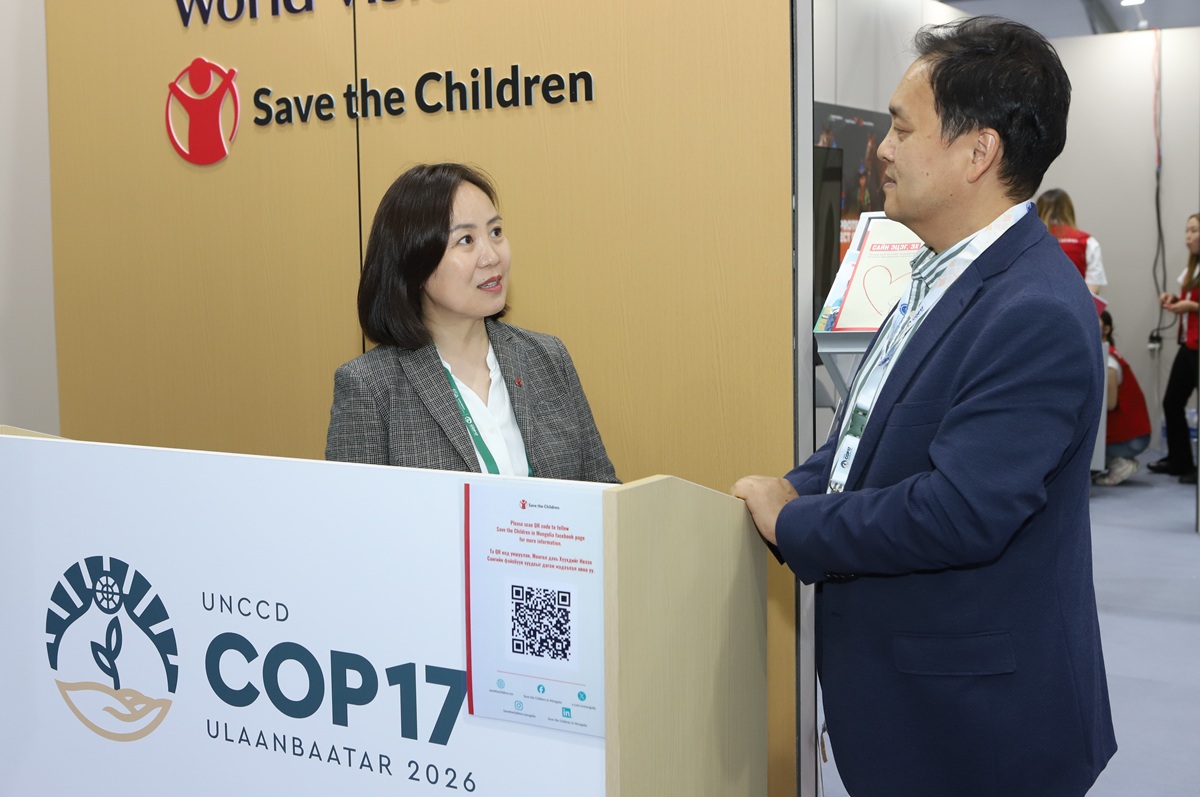
-Save the Children is implementing the “My Forest Child” project in Nalaikh District, Ulaanbaatar, which combines forest restoration with environmental education for children and local communities. After seeing the project and its progress, what impressed you most, and what potential do you see for this type of initiative in the future?
What impressed me most about the “My Forest Child” project is that children are not just learning about the environment in the classroom. They are actually taking part in restoring and caring for it. That makes the learning much more real. At the same time, forest restoration is not simply about planting trees. We need to work with forestry, soil, water, and ecological experts to understand which species are appropriate, how they should be planted and maintained, and how the ecosystem changes over time. This also gives children a valuable opportunity to learn directly from scientists and practitioners. I see strong potential to develop this into a longer-term model that brings together environmental restoration, practical education, scientific learning, and community participation – and eventually to expand it to other parts of Mongolia.
-Is there any other issue, reflection, or message you would like to share with our readers?
Mongolia has so many hidden strengths, resources, and opportunities, especially in its rural communities. I believe our role is not simply to bring solutions from outside. It is to help communities discover what they already have, recognize their own potential, identify opportunities, and turn those opportunities into sustainable solutions. And children and young people should be at the heart of that process. They are not only beneficiaries. They can learn, contribute, create, and help shape the future of their communities. If we give them the right opportunities, connect them with knowledge and expertise, and trust in their potential, I believe Mongolia can demonstrate something very powerful: that solutions rooted in local communities can improve children’s lives, strengthen local economies, and inspire other countries facing similar challenges.