


Protecting Children Where They Learn: Change Is Coming
Save the Children in Mongolia is implementing the “Safe to Learn: Building Inclusive and Resilient Schools in Mongolia” project, funded by Save the Children Hong Kong, in Ulaanbaatar’s Bayangol, Bayanzurkh, and Chingeltei districts, as well as in Govi-Altai, Khovd, and Bayan-Olgii provinces. A total of 18 general education schools and 18 joint teams were selected for this project. The goal is to increase opportunities for every child to learn and develop in an inclusive environment that respects their rights by disseminating evidence-based methodologies, programs, and proven best practices in child protection at the national level and ensuring their sustainability.
Within the framework of the project, a training to prepare trainers on the topic of “Child Protection in the School Environment” was organized in Ulaanbaatar on April 29-30, 2026.
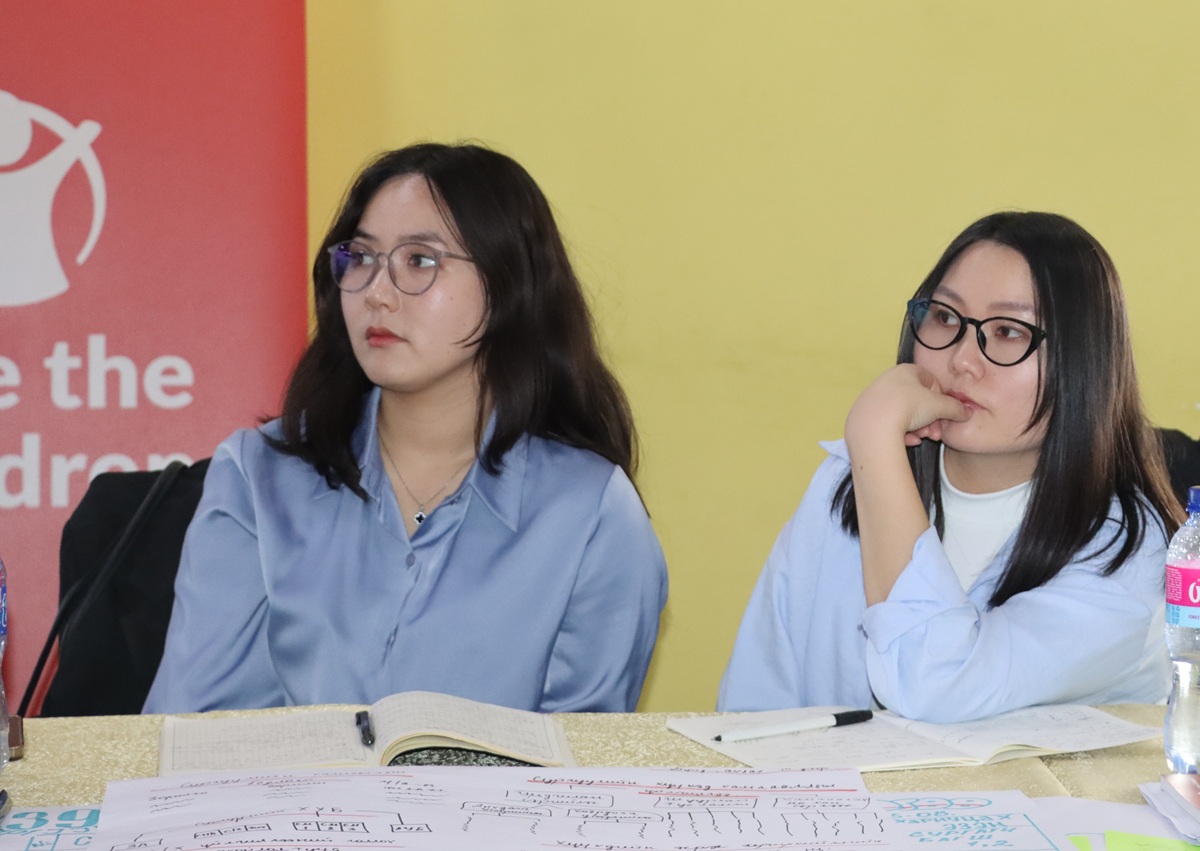
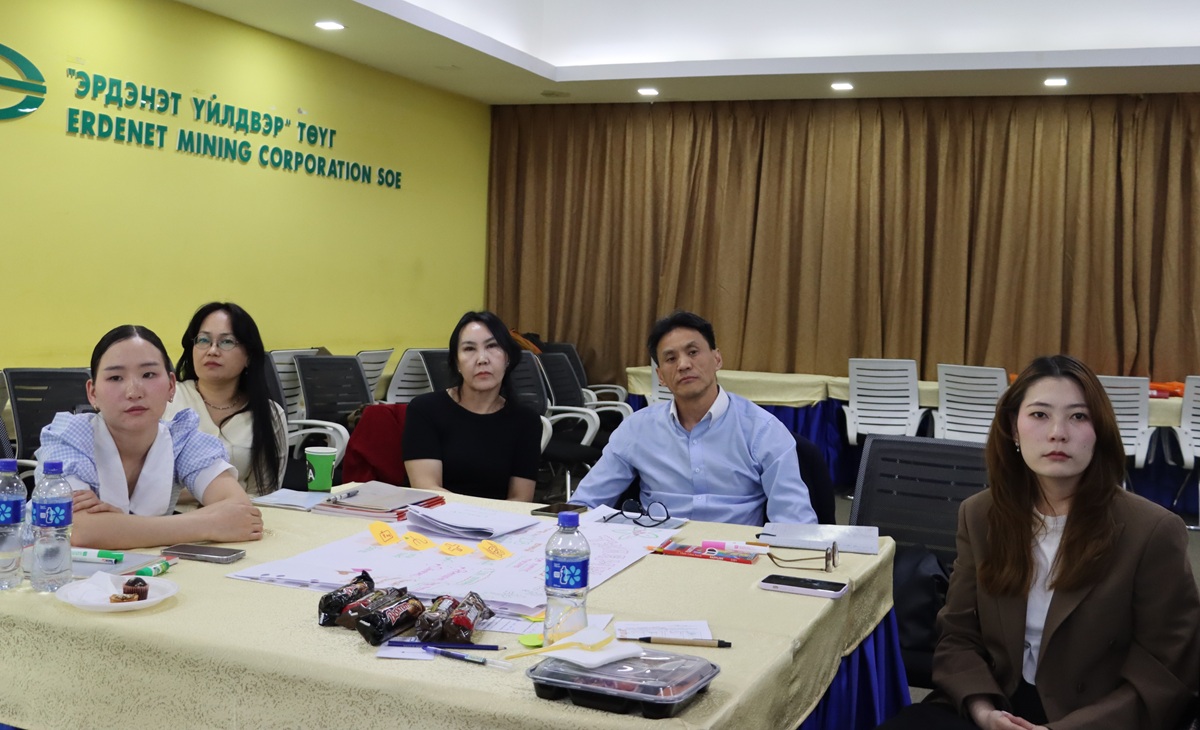
The training was attended by 50 people, including experts and specialists responsible for child protection, health, education, and development from the Ministry of Education, the Ministry of Family, Labor, and Social Protection, the General Authority for Education, the General Authority for Child and Family Development and Protection, the Social Policy Department of the Governor’s Office of the Capital City of Ulaanbaatar, and affiliated organizations. Attendees comprised a range of educational professionals including principals, managers, and support staff complemented by local khoroo-level social workers specializing in child and family welfare.
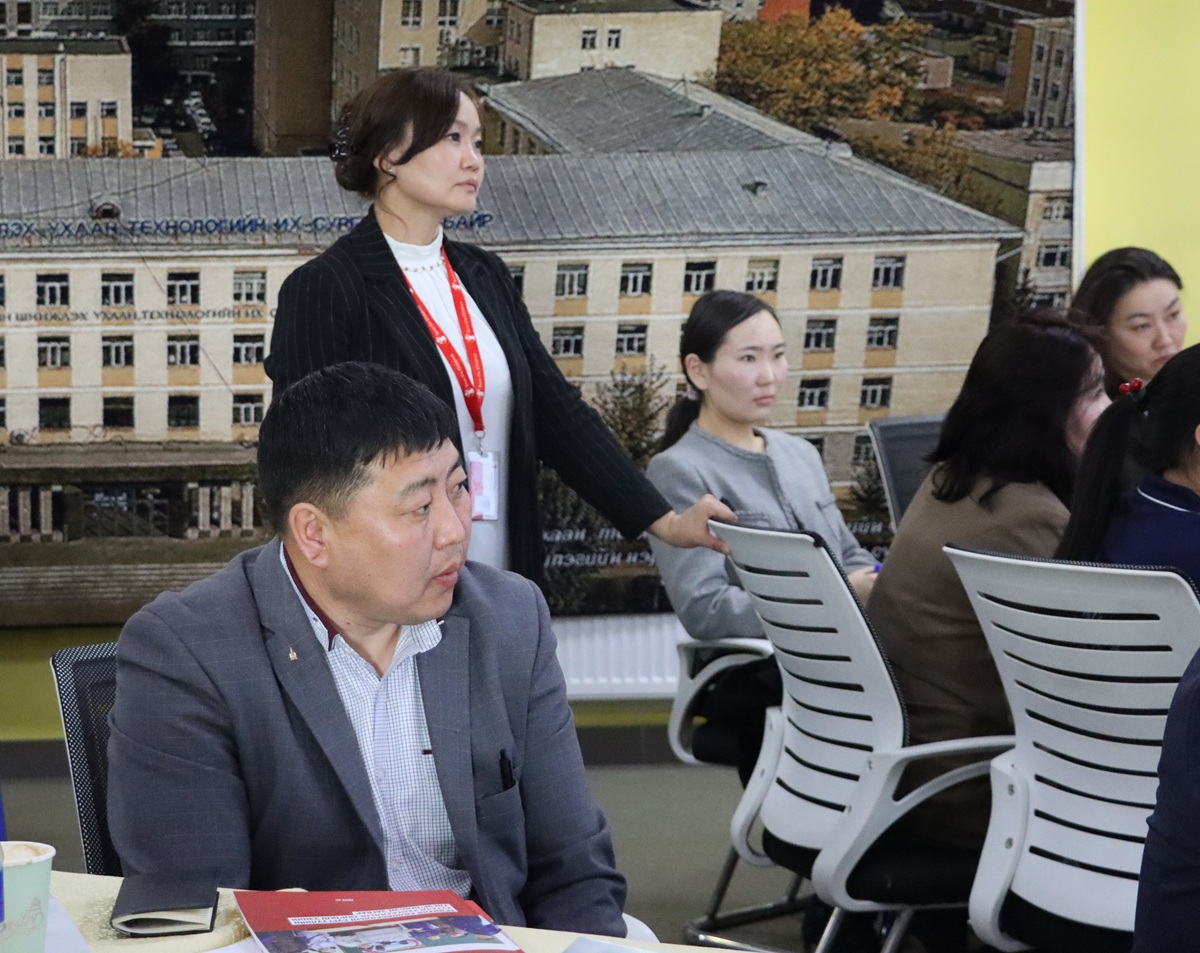
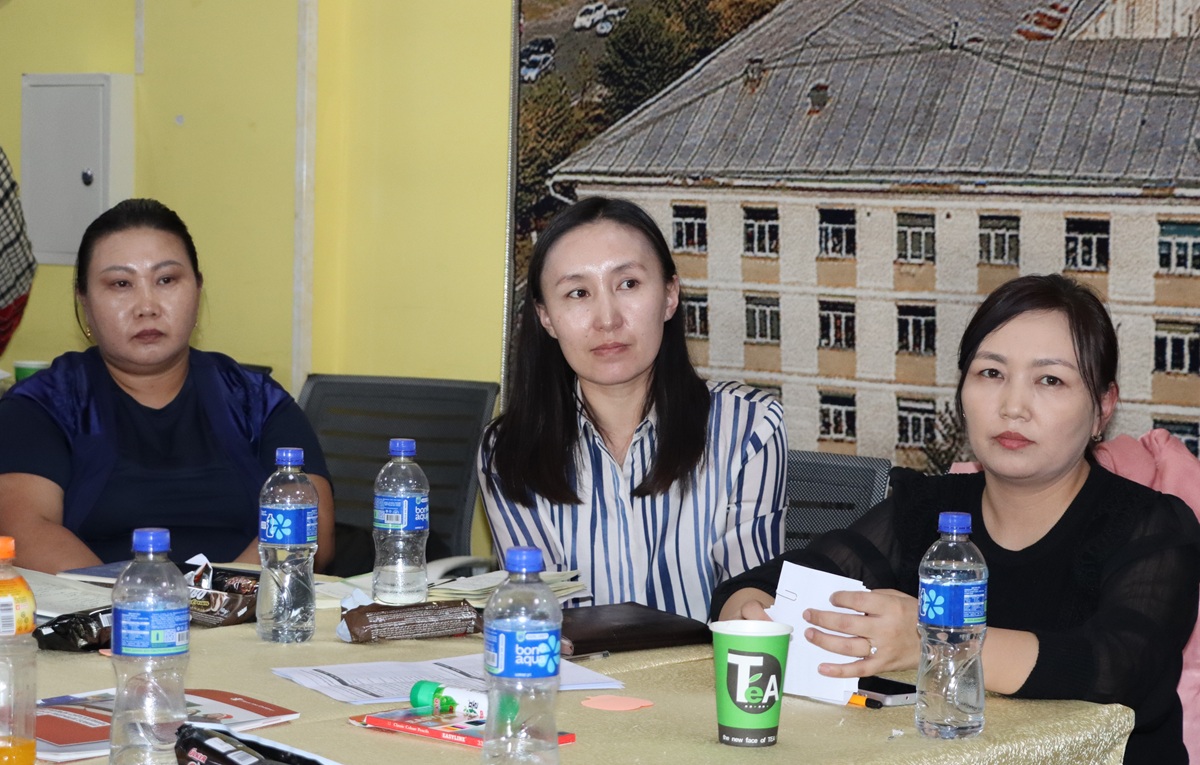
B.Tserenhand, the Coordinator of the “Safe to Learn: Building Inclusive and Resilient Schools in Mongolia” project at Save the Children, stated, “Attendees engaged deeply with the training, refining their expertise to qualify as national trainers. They are now prepared to roll out subsequent training sessions within their specific sectors through a phased approach.”
Through the training, these participants reinforced their fundamental knowledge and understanding of child rights and protection. They have been prepared as trainers to disseminate practical methodologies and skills for reporting, receiving, responding to, and implementing rehabilitation services regarding violence against children.
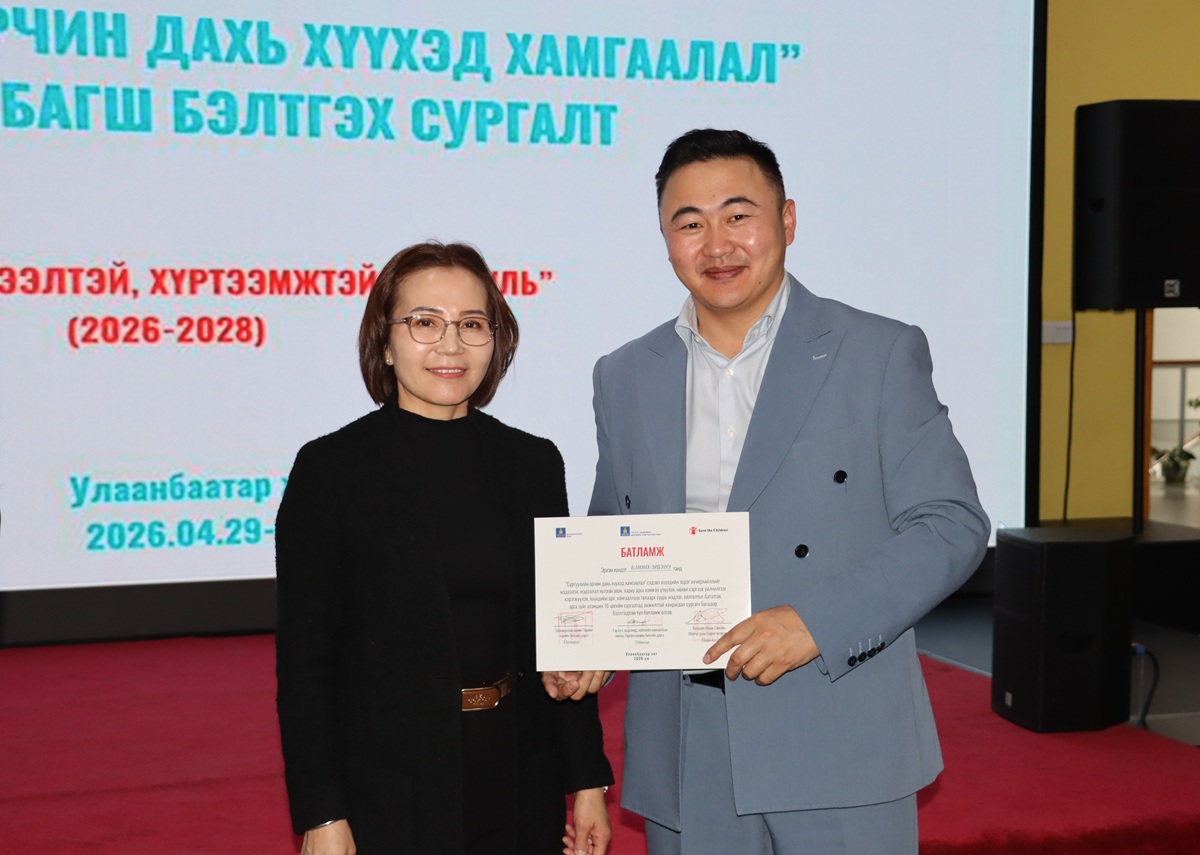
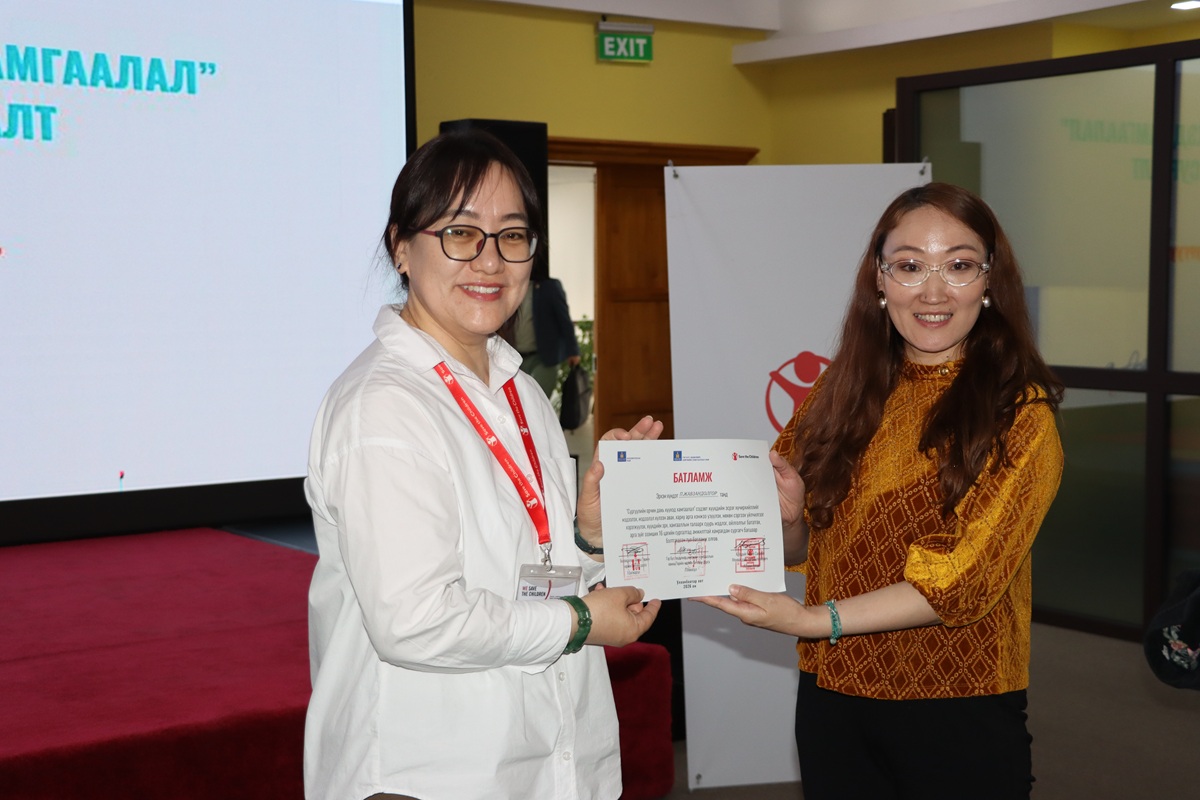
Kh.Gan-Ochir, a social worker at the General Education School No. 79, shared: “Initial training outcomes highlight a critical shift needed from simply documenting ethical codes to enforcing them in practice. To prevent misconduct ranging from verbal to physical we must prioritize psychological support and communication training for staff to help them manage emotions and maintain professional boundaries. Furthermore, we must bridge the school-home gap by challenging the misconception that child development is the sole responsibility of educators, instead fostering a collaborative partnership with parents.”
Furthermore, the “Child Protection in the School Environment” training sessions were conducted across Bayan-Olgii, Govi-Altai, and Khovd provinces between April 14 and 16, 2026. Attendees featured school leadership teams principals, managers, social workers, and psychologists from 13 target schools. They were joined by provincial joint teams secretaries, child and family social workers, and specialists for Child Development and Inclusive Education from the Department of Education, along with specialists from the Department for Child and Family Development and Protection. A total of 140 national trainers have been prepared.